High Cholesterol in India: Where Atomni-20 Fits
Atomni-20: Atorvastatin Tablets IP
High cholesterol rarely causes symptoms, which is why it is usually found on a blood test. This guide explains the condition, the lifestyle steps that matter, and where a statin such as Atomni-20 fits.
What High Cholesterol Actually Means
Cholesterol is a fatty substance the body needs for cell membranes, hormones and vitamin D. Problems begin when the balance between the different carriers of cholesterol in the blood shifts.
LDL, often called the harmful fraction, carries cholesterol out to the tissues, and when there is too much it can lodge in artery walls and contribute to plaque. HDL carries cholesterol back to the liver and is generally considered protective. Triglycerides are a separate type of fat that rises with excess calories, sugar, refined carbohydrate and alcohol.
Doctors use the term dyslipidemia for any unhealthy pattern among these values. It might be high LDL alone, high triglycerides with low HDL, or a mixed picture. The pattern influences which medicine is chosen and what advice is given.
Symptoms and How High Cholesterol Is Found
The awkward truth is that raised cholesterol produces no reliable symptoms. People feel entirely well while plaque develops quietly over years. That is why it is often described as a silent condition, and why testing matters more than waiting for a warning sign.
A lipid profile is a simple blood test reporting total cholesterol, LDL, HDL, triglycerides and often non-HDL cholesterol. Doctors may ask for fasting or non-fasting samples depending on what they want to see.
Occasionally, very high or inherited cholesterol shows outward signs, such as fatty deposits around the eyelids or thickening at the back of the ankle tendons. A strong family history of early heart attacks is another clue that testing should not wait.
Most people, though, learn of it through a routine health check, a pre-employment screening or a check ordered when blood pressure or blood sugar is being assessed.
Risk Factors and the Indian Context
Risk is never about cholesterol alone. Doctors add up several factors before deciding what to do.
- Age and sex
- Family history of early heart disease
- Diabetes or prediabetes
- High blood pressure
- Tobacco use in any form, including chewing tobacco
- Excess weight, especially around the abdomen
- Physical inactivity and long sitting hours
- Existing heart, kidney or blood vessel disease
Several of these are common in Indian communities. Diets heavy in refined carbohydrate, fried snacks and sweets, along with long commutes and desk work, push triglycerides up and HDL down. Doctors in India also pay attention to central weight gain even in people whose overall build looks slim, since abdominal fat carries its own risk.
Lifestyle Measures That Support Lipid Control
These steps help whether or not a medicine is prescribed, and they remain part of the plan alongside any tablet.
- Cut back on deep-fried snacks, bakery items, vanaspati and packaged foods carrying trans fats
- Choose whole grains such as millets, brown rice and whole wheat over refined flour
- Include pulses, vegetables, fruit and nuts, and use oils in moderation
- Reduce sugar, sweets and sweetened drinks, which raise triglycerides
- Aim for regular physical activity most days of the week, building up gradually as your doctor advises
- Stop tobacco in every form, which improves HDL and lowers cardiovascular risk
- Limit alcohol, and discuss your intake honestly with your doctor
- Treat related conditions such as diabetes, thyroid disorder and high blood pressure properly
Weight loss of even a modest amount often improves triglycerides and HDL noticeably.
Where Atomni-20 Fits in the Treatment Plan
When a doctor decides that lifestyle change alone will not bring risk down far enough, or when risk is already high because of diabetes or existing heart disease, a statin is usually the first medicine considered.
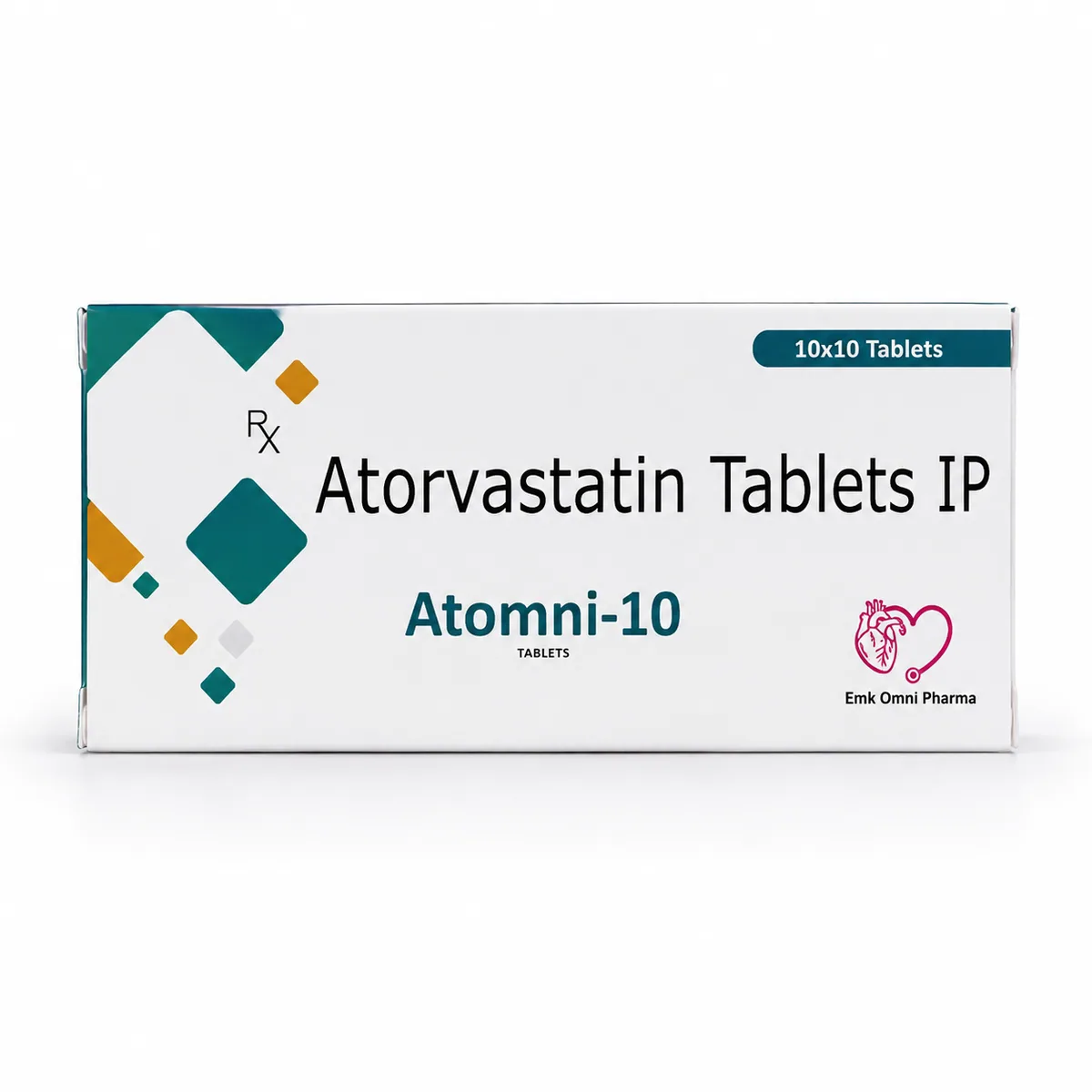
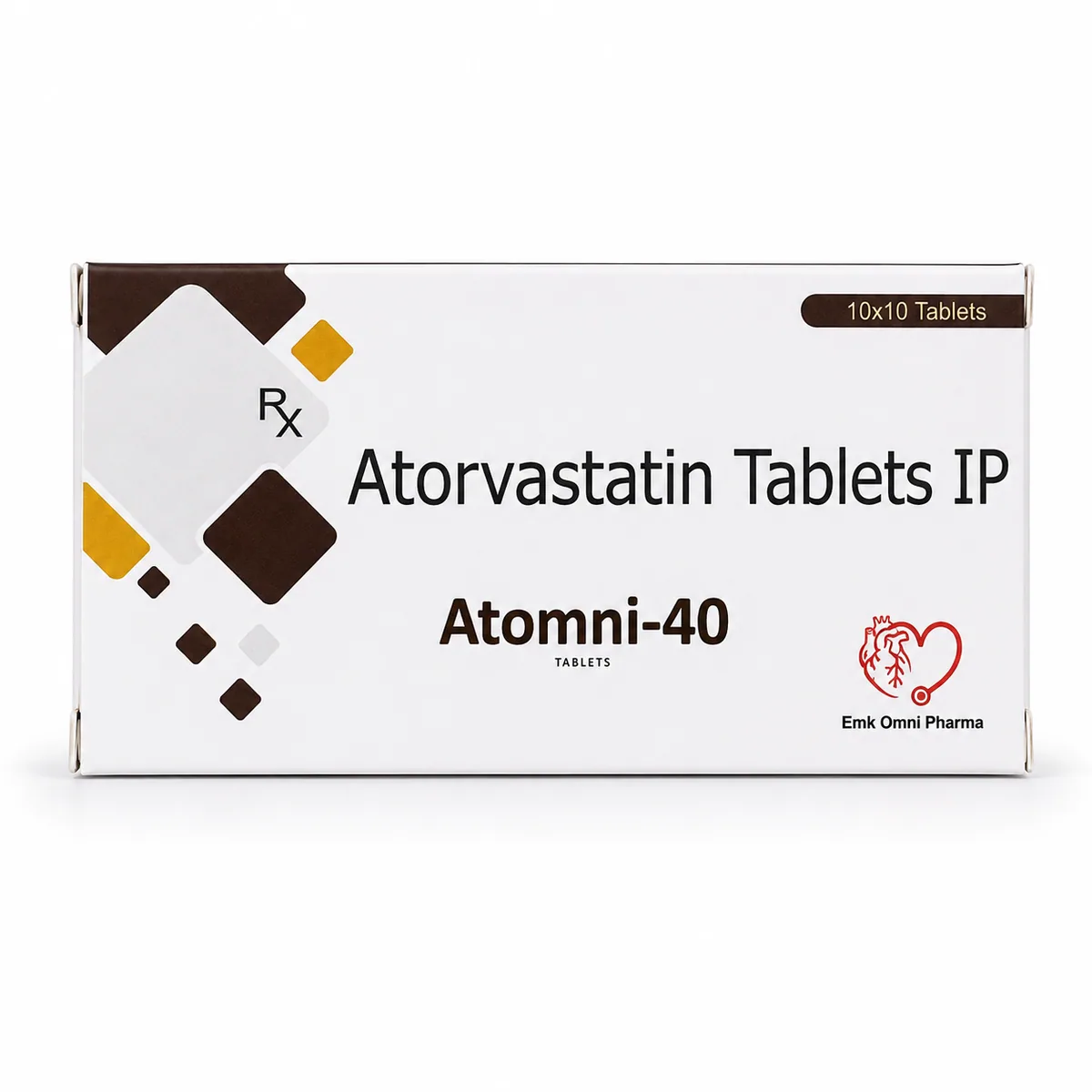
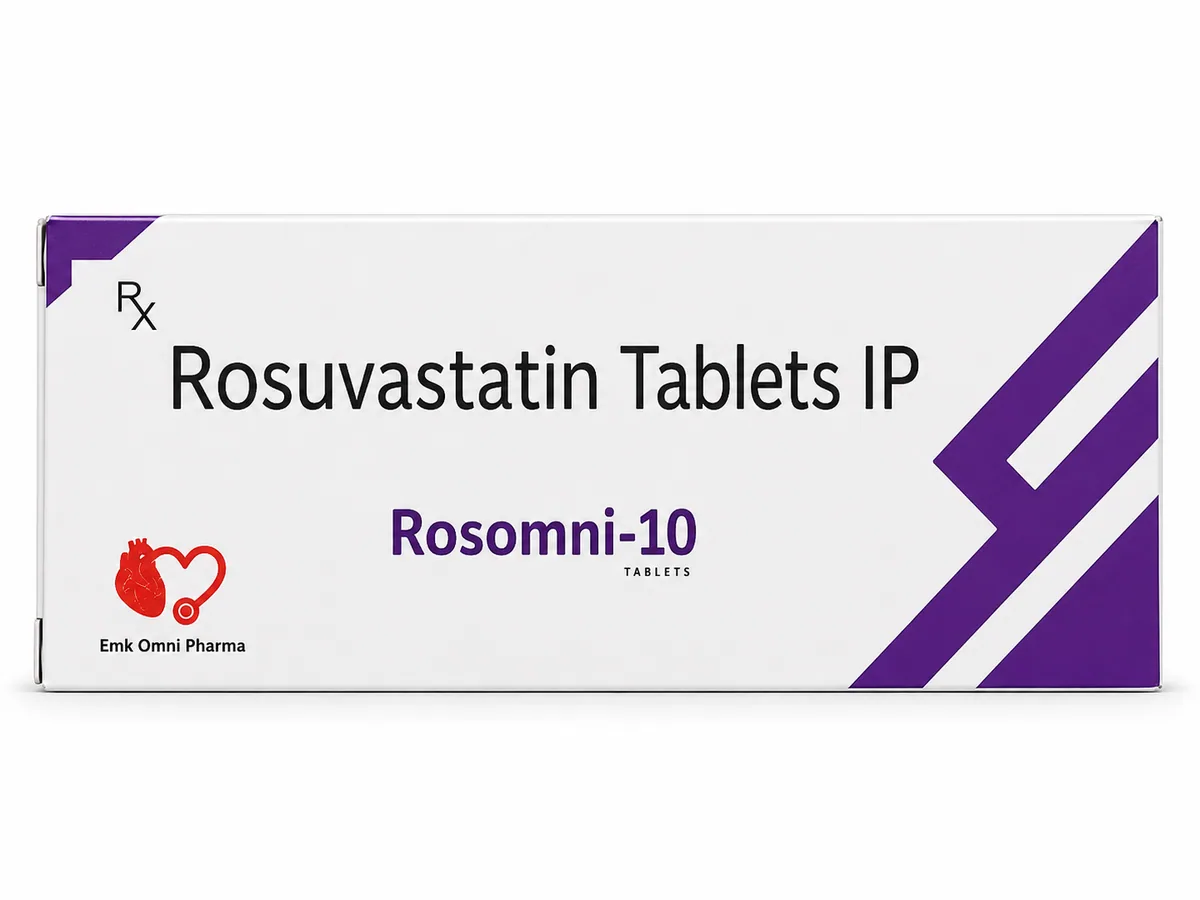
Atomni-20 provides atorvastatin 20 mg, a strength doctors often choose when a moderate to strong reduction in LDL is intended. The choice among Atomni-10, Atomni-20 and Atomni-40, or a rosuvastatin option such as Rosomni-10 or Rosomni-20, depends on how far LDL has to fall, other medicines being taken, kidney and liver function, and how the person tolerates treatment.
Medicine and lifestyle work together. A statin does not offset a diet of fried food and inactivity, and lifestyle alone is not always enough for someone with a high starting risk.
Why Follow-Up Matters
Because the condition is silent, the only way to know whether the plan is working is to measure it. Doctors typically repeat the lipid profile after starting or changing treatment, then at intervals they judge appropriate, and may add liver function or blood sugar tests.
Follow-up is also when problems get solved. Muscle aches, digestive upset, a new medicine started by another doctor, a pregnancy plan or simple difficulty remembering the tablet are all things that can be addressed once they are known.
Keep your reports together in one folder, carry the Atomni-20 carton to appointments, and be candid about missed doses. Doctors work far better with accurate information than with a tidy story.
This article is for general information only and is not a substitute for advice from a registered medical practitioner.
Frequently asked questions
- Can I lower cholesterol with diet alone?
- Some people can improve their lipid profile substantially with diet, activity and weight loss. Whether that is enough depends on your starting levels and overall risk, which your doctor assesses.
- How often should a lipid profile be done?
- There is no single answer for everyone. Your doctor decides the interval based on your risk, whether you have started treatment and how your readings are moving.
- Is high cholesterol only a problem for overweight people?
- No. People of normal weight can have raised cholesterol, particularly where there is a family history or an inherited lipid disorder.
- Does high cholesterol cause headaches or fatigue?
- Raised cholesterol itself usually causes no symptoms. Such complaints normally have other causes and should be assessed by a doctor.
- If my LDL reaches target, can I stop Atomni-20?
- Do not stop on your own. A good reading often reflects the medicine working, and levels can rise again after stopping. Discuss it with your doctor.
- Are millets and traditional Indian foods better for cholesterol?
- Whole grains such as millets, along with pulses, vegetables and fruit, generally suit a lipid-friendly diet better than refined flour and fried snacks. A dietitian can tailor this for you.
Need Atomni-20 for your pharmacy, hospital or clinic?
EMK Omni Pharma supplies through authorised channels across Karnataka. Send an enquiry and our team will respond during business hours.
Related guides
Medical Disclaimer
This product information is intended for general awareness only and should not be considered medical advice. Please consult a registered medical practitioner before using any prescription medicine.