Hypertension Guide for India: Causes, Care and Medicines
Cilomni-10: Cilnidipine Tablets IP 10 mg
High blood pressure damages the heart, kidneys and brain quietly over years. This guide explains the symptoms, Indian risk factors, tests, lifestyle steps and the medicine groups doctors prescribe.
What Is Hypertension and Why Does It Matter?
Hypertension is blood pressure that stays higher than it should over weeks and months. The reading has two numbers: systolic pressure when the heart squeezes, and diastolic pressure when it relaxes. One high reading on a stressful day is not hypertension, so doctors rely on repeated readings.
The danger is quiet damage. Year after year the extra pressure stiffens arteries and strains the heart, kidneys, eyes and brain, almost always without warning. Treatment protects those organs over decades rather than changing how you feel today.
Symptoms of High Blood Pressure: What People Notice
Most people with hypertension feel completely well and find out only at a routine check, an insurance test or a visit for something else.
When symptoms do appear they are vague: a dull morning headache at the back of the head, giddiness, unusual tiredness, disturbed sleep or occasional nosebleeds. Very high readings can bring chest discomfort, breathlessness, blurred vision or confusion, and those need same-day attention. Never judge your blood pressure by how you feel.
Risk Factors for Hypertension Common in India
- Salt-heavy eating. Pickles, papad, namkeen, packaged masala mixes and restaurant food add up quickly.
- Family history. Hypertension runs in families and often appears early in India.
- Weight around the waist, which raises risk even when overall weight looks fine.
- Low physical activity, with long desk hours and long commutes.
- Tobacco and alcohol. Chewed forms such as gutka and khaini count as tobacco.
- Poor sleep and constant stress, including night shifts and untreated heavy snoring.
- Diabetes and kidney disease, which very often travel with raised blood pressure.
How Doctors Diagnose High Blood Pressure
Diagnosis begins with careful measurement: sitting quietly for about five minutes, the arm supported at heart level, the right cuff size, and readings on more than one visit. If clinic and home readings disagree, your doctor may suggest a validated home monitor or an ambulatory recording.
Once raised pressure is confirmed, tests look for its effects and its causes. These commonly include blood sugar, kidney function and electrolytes, a lipid profile, a urine test, an ECG and sometimes an echocardiogram or eye examination.
Lifestyle Changes That Help Lower Blood Pressure
- Cut back on salt, staying under roughly one level teaspoon a day, counting what is already in packaged and restaurant food.
- Build meals around vegetables, fruit, dals, millets and whole grains, and keep fried snacks occasional.
- Aim for brisk walking on most days, as advised by your doctor.
- Reduce waist size gradually, since even a modest loss helps.
- Stop tobacco in every form and keep alcohol low or avoid it.
These steps support treatment but do not replace tablets once your doctor decides medicines are needed.
Which Medicines Do Doctors Prescribe for Hypertension?
No single medicine suits everyone. Doctors pick from a few well-established groups, often combining two at moderate doses rather than pushing one to its limit.
- Calcium channel blockers relax and widen arteries. Cilomni-10 from EMK Omni Pharma contains Cilnidipine IP 10 mg.
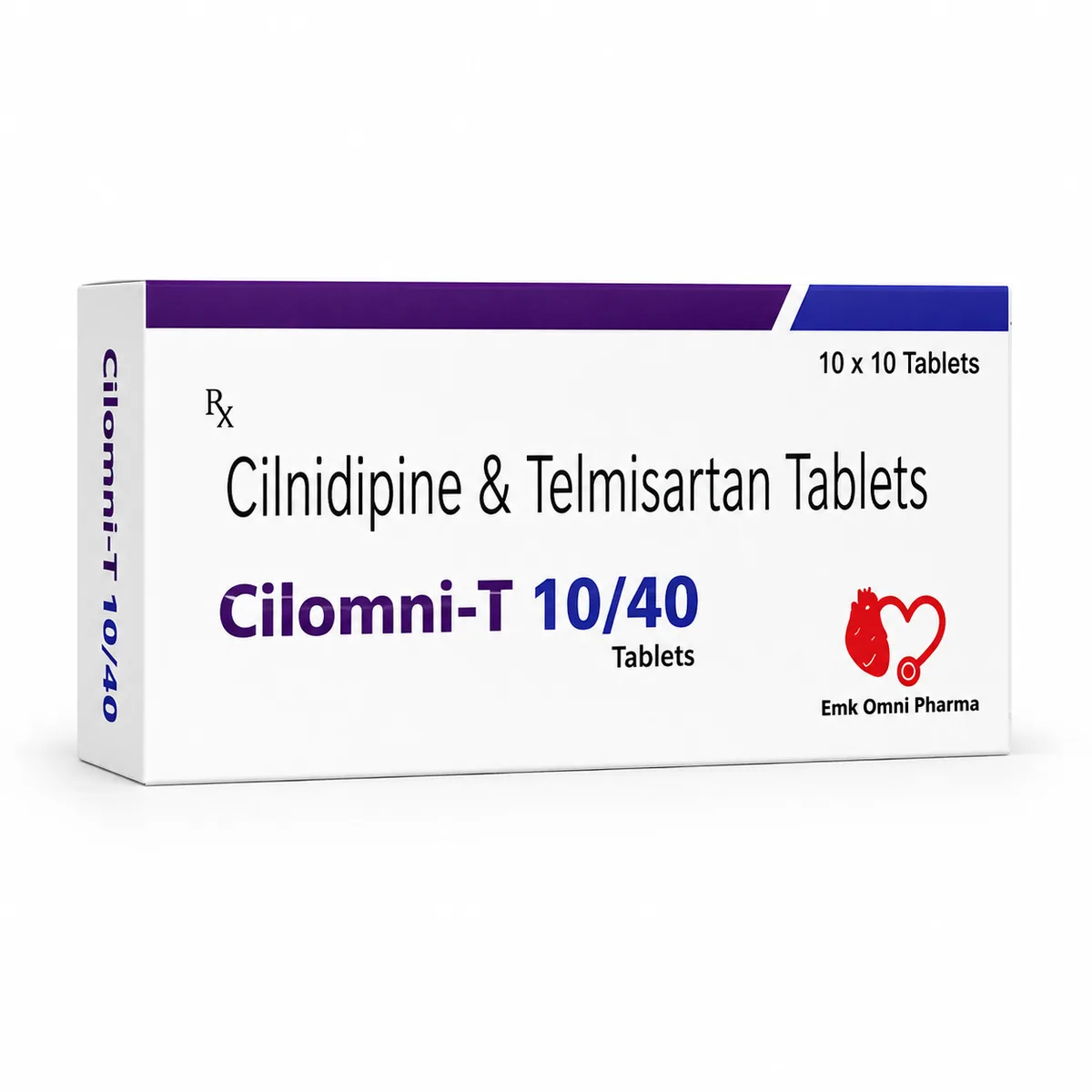
- Angiotensin receptor blockers block a hormone signal that tightens vessels and holds on to salt. Cilomni-T 10/40 brings Cilnidipine 10 mg and Telmisartan 40 mg into one tablet.
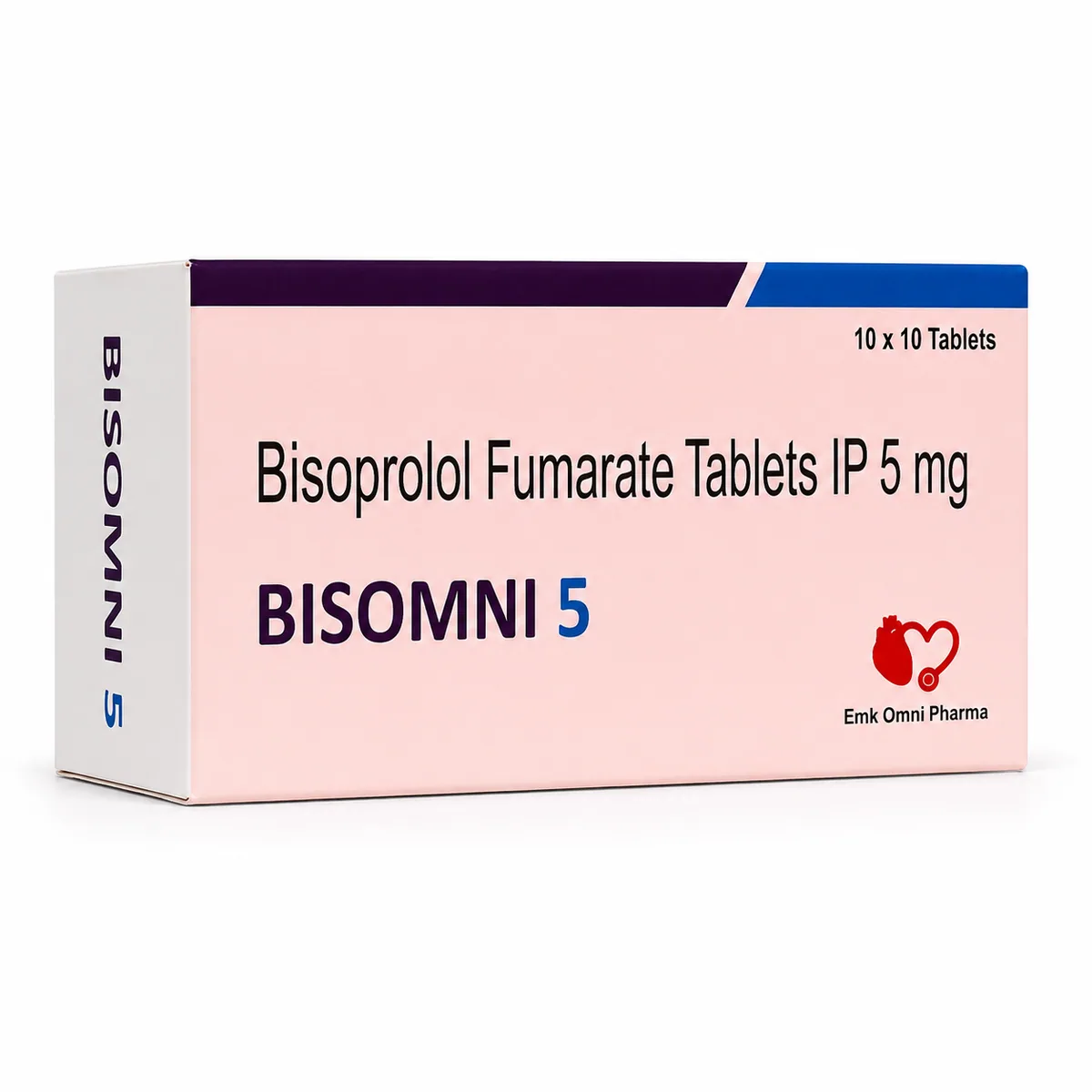
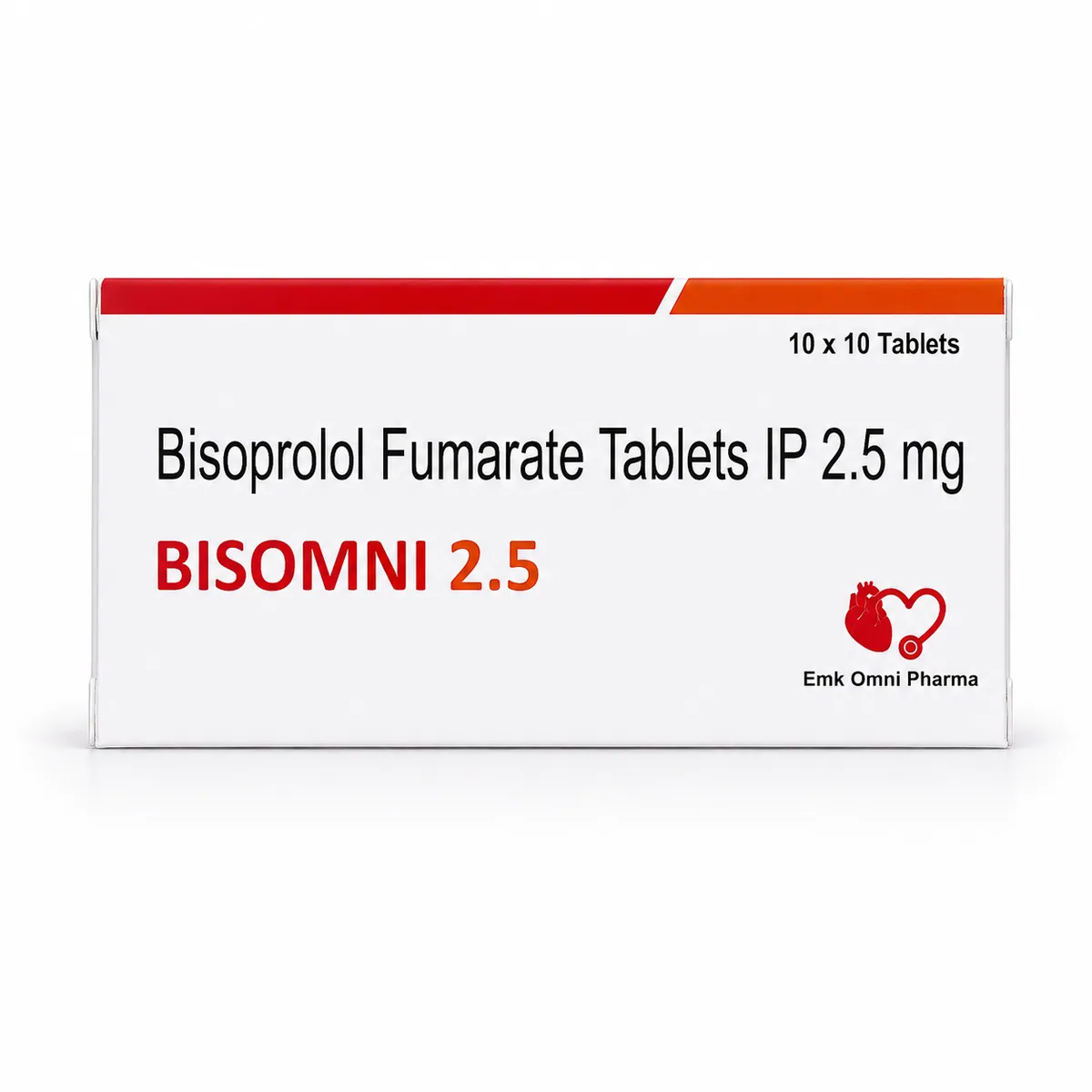
- Beta blockers slow the heart and reduce its workload. Bisomni 5 contains Bisoprolol Fumarate IP 5 mg, and Metomni-XL 25 and Metomni-XL 50 contain Metoprolol Succinate in extended release form.
- Diuretics help the kidneys clear extra salt and water.
- ACE inhibitors such as ramipril act on the same pathway as ARBs.
EMK Omni Pharma markets these products, which are contract-manufactured at GMP-certified units. All are Schedule H medicines, and your doctor decides strength, timing and duration.
When to Seek Urgent Care and Why Follow-Up Matters
Reach a hospital immediately for chest pain or pressure, sudden severe breathlessness, weakness or numbness on one side, difficulty speaking, a sudden very severe headache, sudden vision loss or a seizure. These can signal a heart attack, a stroke or a hypertensive emergency.
Follow-up matters because blood pressure shifts with weight, season, stress and other medicines. Reviews let your doctor confirm you are at target, repeat kidney tests, adjust doses and catch side effects early. Keep a home log and carry it with your strips to every visit, and do not stop a medicine because you feel fine. This article is for general information only and is not a substitute for advice from a registered medical practitioner.
Frequently asked questions
- Can hypertension be reversed permanently?
- For most people it is controlled rather than removed. Some need less medicine after major weight loss or lifestyle change, but only a doctor should decide that.
- What reading is treated as high blood pressure?
- Doctors generally treat a repeated clinic reading of 140/90 mmHg or above as hypertension in adults. Your personal target may be lower with diabetes or kidney disease.
- Can I stop my tablets once my readings are normal?
- No. Normal readings usually mean the medicine is working, and stopping without advice often lets pressure climb back within weeks. Ask your doctor before changing anything.
- Do I need to measure my blood pressure at home every day?
- Most people do not. Doctors often suggest readings a few times a week at fixed times, and more often after a dose change. Bring the log to your review.
- Are blood pressure medicines safe during pregnancy?
- Some groups are avoided in pregnancy while others are used routinely, so this needs a doctor's decision. Tell your doctor at once if you are pregnant or planning a pregnancy.
- Will reducing salt alone bring my pressure down enough?
- Cutting salt helps and is worth doing, but alone it is often not enough once readings are clearly raised. Your doctor will judge what to try first.
- Can adults in their twenties and thirties get hypertension?
- Yes. Raised readings are picked up earlier in India these days, often with weight gain, stress, poor sleep or a family history. Getting checked young is worthwhile.
Need Cilomni-10 for your pharmacy, hospital or clinic?
EMK Omni Pharma supplies through authorised channels across Karnataka. Send an enquiry and our team will respond during business hours.
Related guides
Medical Disclaimer
This product information is intended for general awareness only and should not be considered medical advice. Please consult a registered medical practitioner before using any prescription medicine.