Blood Pressure Medicines: EMK Omni Pharma Category Guide
High blood pressure is treated with several different drug classes, and many patients end up on more than one. This guide explains those classes and where each EMK Omni Pharma blood pressure product sits.
What Blood Pressure Medicines Do and Why Classes Differ
Blood pressure is the product of how hard the heart pumps and how much resistance the arteries offer. Medicines can lower it by acting on either side of that equation, which is why several distinct classes exist and why two people with the same reading can end up on quite different prescriptions.
The main classes used in Indian practice are beta blockers, which slow the heart and reduce its output; calcium channel blockers, which relax the muscle in artery walls; and agents acting on the renin angiotensin system, either ACE inhibitors or angiotensin receptor blockers, which switch off a hormone pathway that tightens vessels and holds on to salt. Diuretics form a fourth group.
EMK Omni Pharma markets products from the first three of these groups. The products are contract manufactured at GMP units and marketed from Mysuru, Karnataka. All are Schedule H medicines dispensed only against a prescription.
Beta Blockers: Bisomni and Metomni-XL
Beta blockers work at beta-1 receptors in the heart, easing the force and rate of each beat. They are often chosen when blood pressure sits alongside a fast pulse, angina, or a history of heart attack or heart failure.
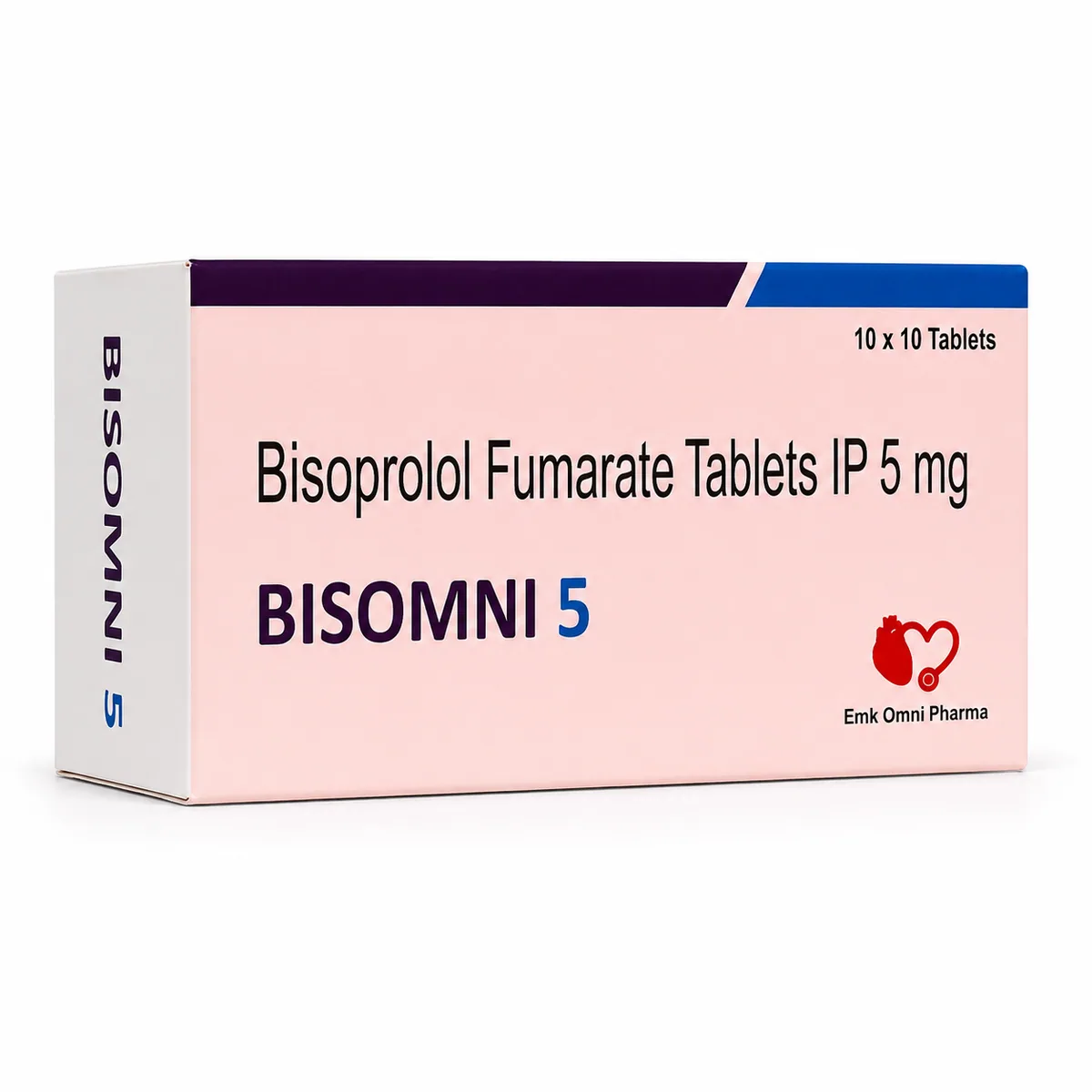
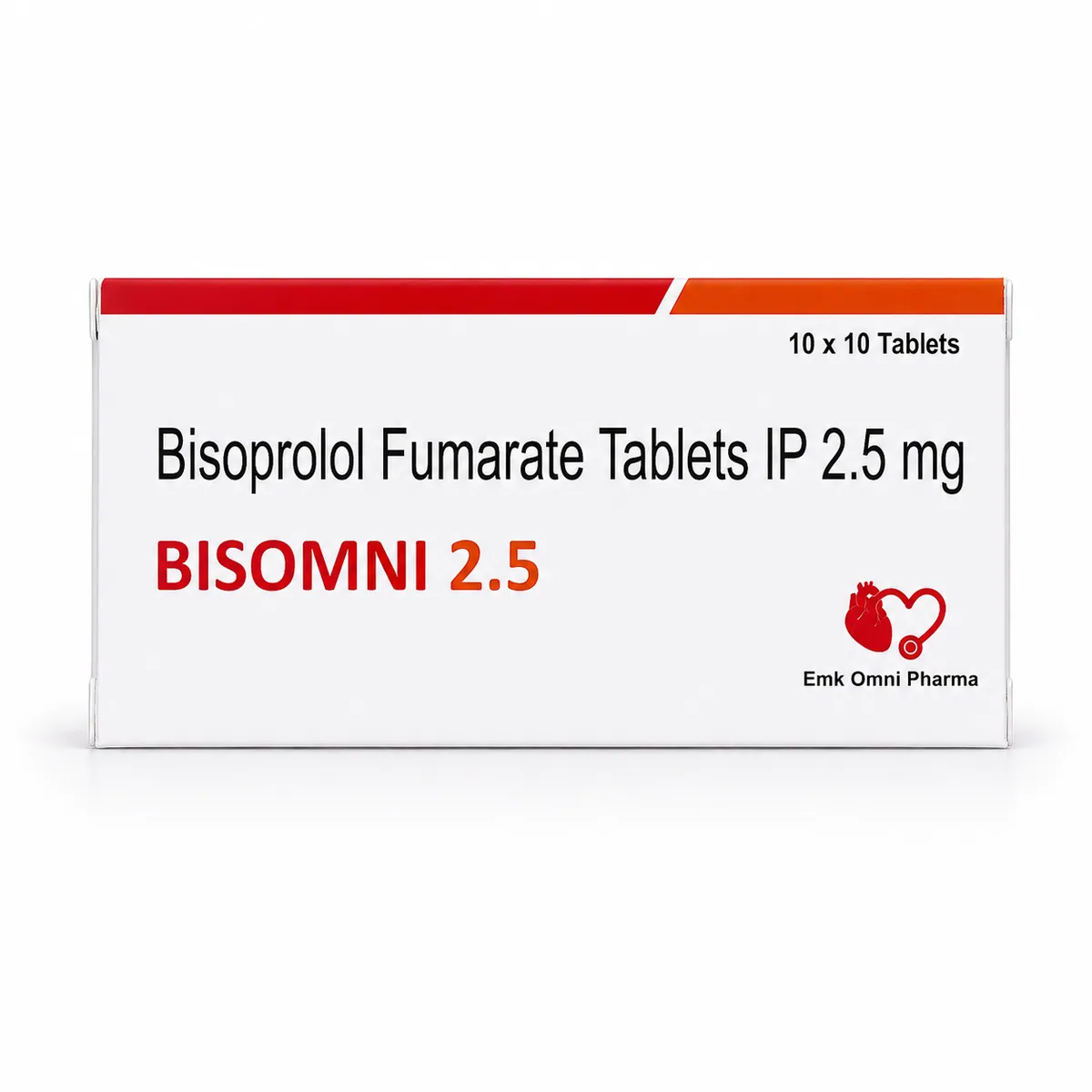
Bisomni 2.5 contains Bisoprolol Fumarate IP 2.5 mg and Bisomni 5 contains Bisoprolol Fumarate IP 5 mg, both as film-coated tablets in 10 x 10 packs. Bisoprolol is described as cardioselective, meaning it acts mainly on the heart rather than on the airways, though caution still applies in asthma.
Metomni-XL 25 and Metomni-XL 50 contain Metoprolol Succinate ER Tablets IP 25 mg and 50 mg. The extended release format releases the molecule gradually so that cover lasts across the day from a single unit. A beta blocker should never be stopped suddenly, because an abrupt halt can trigger a rebound rise in heart rate and blood pressure.
Calcium Channel Blockers: Where Cilomni-10 Fits
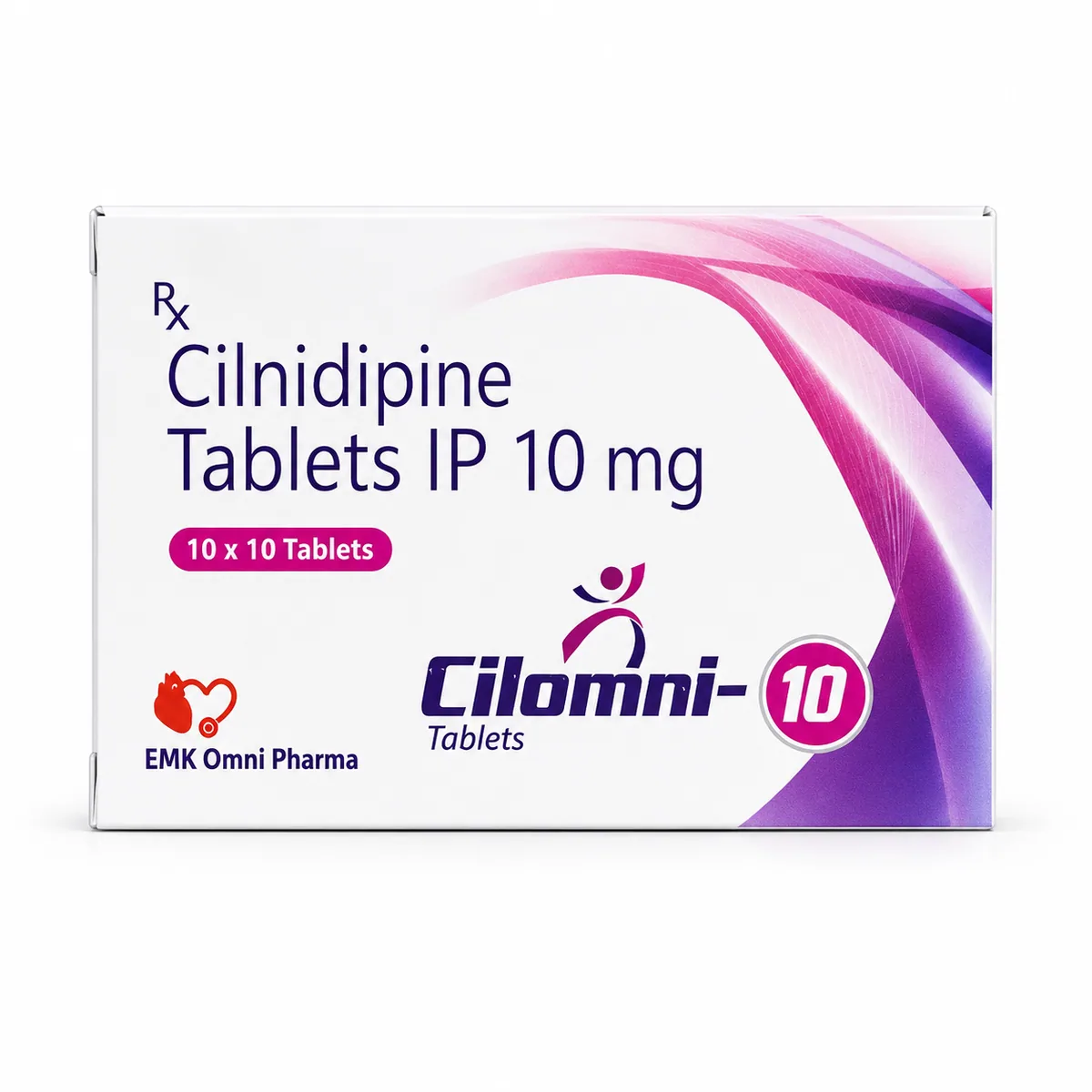
Calcium channel blockers stop calcium entering the smooth muscle of artery walls, so the vessels relax and pressure falls. Cilomni-10 contains Cilnidipine Tablets IP 10 mg, supplied as 10 x 10 film-coated tablets.
Cilnidipine is a fourth generation dihydropyridine. Alongside the usual L-type calcium channel action shared by the class, it also blocks N-type channels on sympathetic nerve endings. That second action is the reason it is often discussed differently from older members of the class, particularly in relation to ankle swelling and reflex increases in heart rate.
This group is a common first choice for older patients and for those whose pressure is driven mainly by stiff arteries.
Two Molecules in One Tablet: Cilomni-T and Metomni R XL
Most people with hypertension need more than one mechanism working at once. Combining two molecules in a single film-coated tablet reduces the daily pill count, which usually improves how reliably treatment is taken.
Cilomni-T 10/40 contains Cilnidipine 10 mg with Telmisartan 40 mg. Telmisartan is an angiotensin receptor blocker with a long duration of action, and pairing it with a calcium channel blocker attacks pressure from two directions. The combination is also used when a single agent has not brought readings to target.
Metomni R XL 25/2.5 contains Metoprolol Succinate 23.75 mg in a sustained release form with Ramipril 2.5 mg. Ramipril is an ACE inhibitor, so this tablet places a beta blocker and renin angiotensin blockade together, a pairing often considered when hypertension coexists with heart disease. A dry persistent cough is a well known effect of ACE inhibitors and should be reported rather than tolerated in silence.
How a Doctor Chooses Between These Options
The decision rests on more than the reading on the machine.
- Age and ethnicity, which influence how well different classes tend to work.
- Other conditions. Diabetes and protein in the urine often favour an ACE inhibitor or ARB, while a fast pulse or angina favours a beta blocker.
- Asthma or chronic obstructive airway disease, which call for caution with Bisomni and Metomni-XL.
- Pregnancy or plans for pregnancy, since ACE inhibitors and ARBs such as those in Metomni R XL 25/2.5 and Cilomni-T 10/40 are avoided.
- Kidney function and serum potassium.
- How many tablets a person can realistically take each day, which is where fixed dose combinations help.
Strengths are not interchangeable. Moving from Bisomni 2.5 to Bisomni 5, or from Metomni-XL 25 to Metomni-XL 50, is a clinical decision for the treating doctor, not something to try at home.
Monitoring Readings and the Lifestyle That Supports Them
Hypertension has few symptoms, so numbers do the talking. A home monitor used properly, with the arm supported and after five minutes of rest, gives a far better picture than a single clinic reading. Keep a simple log and carry it to appointments along with the current strip.
Doctors may also check serum creatinine, potassium, blood sugar and a lipid profile, and may look for changes in the eyes or heart when pressure has been high for a long time. Report dizziness on standing, an unusually slow pulse, swelling of the ankles or a cough that will not settle.
Salt is the single biggest dietary lever in most Indian households. Pickles, papad, namkeen, packaged masalas and restaurant food add up quickly. Regular walking, weight reduction, limiting alcohol, stopping tobacco and treating sleep apnoea all lower pressure in their own right and may reduce how much medicine is needed. Store tablets below 25 degrees C in a dry place and keep blisters sealed until use, especially through the monsoon. This article is for general information only and is not a substitute for advice from a registered medical practitioner.
Frequently asked questions
- Why has my doctor prescribed two blood pressure medicines?
- Blood pressure is driven by more than one mechanism. Using two molecules at moderate strength often controls readings better, and with fewer effects, than pushing a single one to its limit.
- What is the difference between Bisomni 2.5 and Bisomni 5?
- Only the bisoprolol content, 2.5 mg against 5 mg. The doctor selects the strength based on the reading, the pulse rate and how the first strength has been tolerated.
- Can I stop a beta blocker once my readings look normal?
- No. Normal readings usually mean the medicine is working. Stopping suddenly can cause a rebound rise in heart rate and pressure, so any change must be planned by the doctor.
- How is Cilomni-T 10/40 different from Cilomni-10?
- Cilomni-10 contains cilnidipine 10 mg alone. Cilomni-T 10/40 adds telmisartan 40 mg, so a calcium channel blocker and an angiotensin receptor blocker act together in one tablet.
- Why does Metomni-XL come in an extended release form?
- Metoprolol succinate in an extended release tablet is released slowly, which helps keep the effect steady across the day rather than peaking and fading soon after each dose.
- Are these medicines safe in pregnancy?
- ACE inhibitors and angiotensin receptor blockers are avoided in pregnancy. Anyone who is pregnant, breastfeeding or planning a pregnancy must tell the doctor so treatment can be reviewed.
- Does a headache mean my blood pressure is high?
- Not usually. Most high blood pressure produces no symptoms at all, which is why regular measurement matters more than waiting for a warning sign.
- Can I take these tablets with a cold or pain remedy?
- Some decongestants and anti-inflammatory painkillers raise blood pressure or blunt these medicines. Check with the pharmacist or doctor before adding anything, including over the counter products.
Related guides
Medical Disclaimer
This product information is intended for general awareness only and should not be considered medical advice. Please consult a registered medical practitioner before using any prescription medicine.