Type 2 Diabetes in India: Symptoms, Tests and Treatment
Gluomni M1: Metformin Hydrochloride (SR) & Glimepiride Tablets IP
Type 2 diabetes usually builds up quietly over years. This guide explains the symptoms, the tests doctors use, the lifestyle changes that help and the classes of prescription medicine used in India.
What Is Type 2 Diabetes?
Type 2 diabetes is a long-term condition in which the body either does not make enough insulin or cannot use it properly. Insulin moves glucose from the blood into the cells for energy, so when it stops working well, glucose builds up in the blood.
It develops slowly, often through a stage called prediabetes. Because the rise is gradual, many people in India are diagnosed only at a routine health check.
Common Symptoms of High Blood Sugar
Early type 2 diabetes is often silent. When symptoms do appear, they usually include:
- Passing urine more often, especially at night
- Unusual thirst or hunger
- Tiredness that rest does not fix
- Blurred vision that comes and goes
- Boils, gum infections or cuts that heal slowly
- Tingling or numbness in the feet
- Losing weight without trying
None of these confirm diabetes by themselves, so a blood test ordered by a registered medical practitioner is the only reliable way to know.
Risk Factors That Are Common in India
Indians tend to develop type 2 diabetes younger and at a lower body weight than many other populations, often with the extra weight carried around the waist. A parent or sibling with diabetes raises the risk noticeably.
Daily habits add to it: meals built around polished rice or refined wheat, sweetened tea several times a day, fried snacks, and long hours of sitting with little planned exercise. Diabetes during pregnancy, polycystic ovary syndrome, high blood pressure, tobacco and disturbed sleep also raise the risk.
How Doctors Diagnose Type 2 Diabetes
Diagnosis rests on blood tests, not on symptoms. Doctors commonly use a fasting plasma glucose, a reading two hours after a meal or a measured glucose drink, and an HbA1c, which reflects the average blood sugar over the previous two to three months. A repeat test on another day is usual before the diagnosis is confirmed.
The same visit usually includes blood pressure, weight and waist, kidney function, cholesterol, and an eye and foot check.
Lifestyle Measures That Support Blood Sugar Control
- Fill half the plate with vegetables and pulses, so rice or roti takes a smaller share
- Choose whole grains and millets in place of highly polished grains
- Keep sugary drinks, packaged juices and sweets for rare occasions
- Aim for about thirty minutes of brisk walking on most days, with some strength work
- Stop tobacco in every form and keep alcohol within what your doctor allows
Lifestyle work and medicines pull in the same direction. One does not replace the other.
Classes of Medicine Doctors Use for Type 2 Diabetes
The choice depends on your sugar levels, weight, kidney function, heart history and age.
- Biguanides such as metformin reduce the glucose released by the liver and improve the body's response to insulin. Metformin is usually the starting medicine.
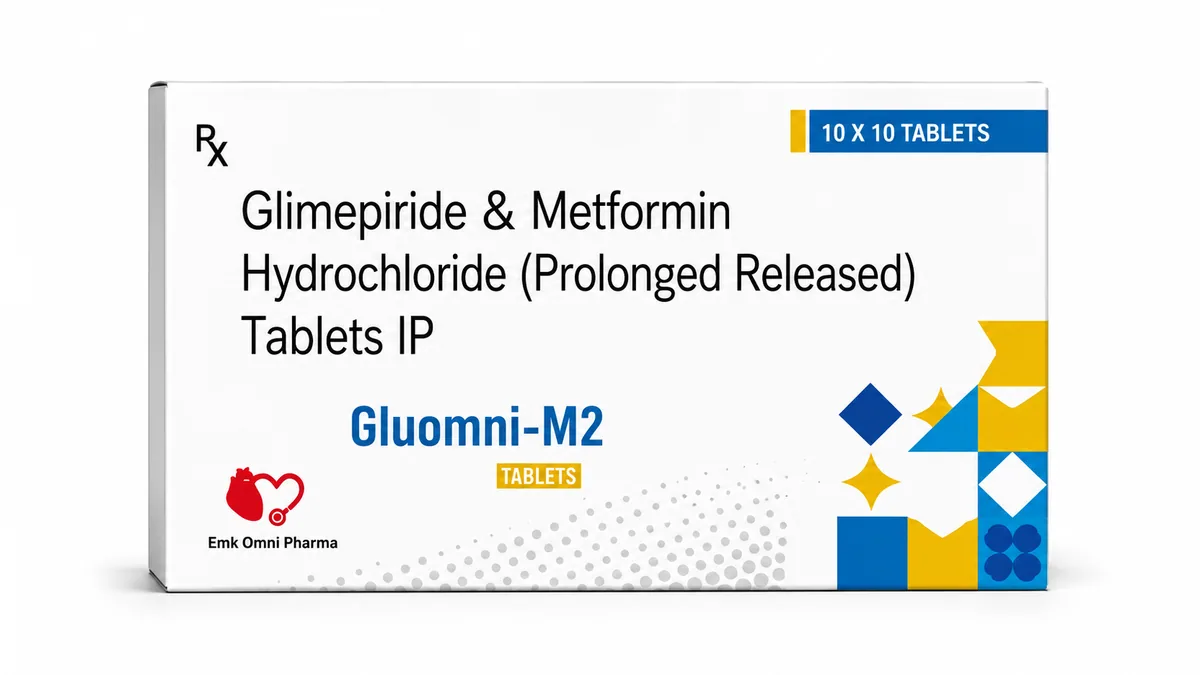
- Sulfonylureas such as glimepiride prompt the pancreas to release more insulin, and fixed-dose combinations are widely prescribed. Gluomni M1 from EMK Omni Pharma pairs sustained-release metformin 500 mg with glimepiride 1 mg, and Gluomni-M2 uses glimepiride 2 mg.
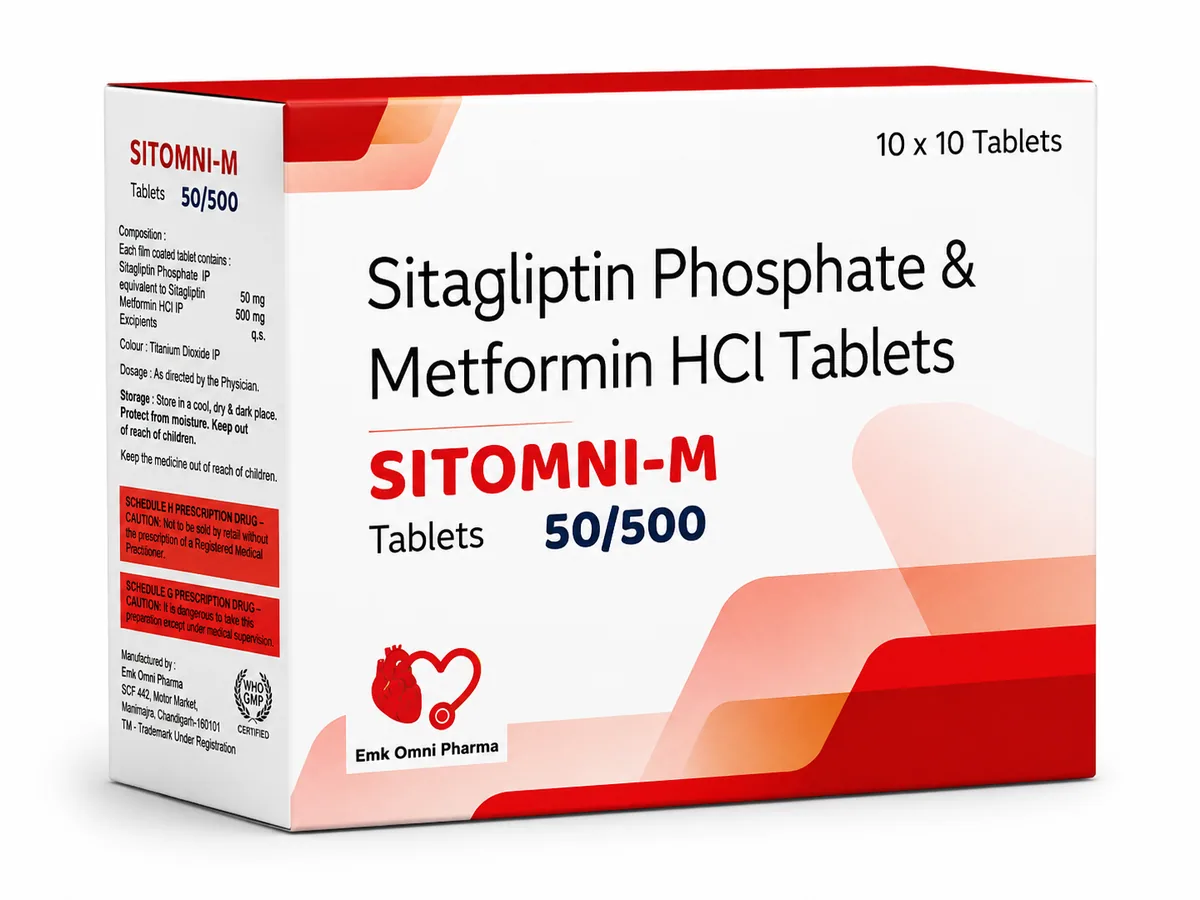
- DPP-4 inhibitors such as sitagliptin support the body's own insulin response after meals. Sitomni-M-OD 100/500 combines sitagliptin 100 mg with metformin 500 mg once daily.
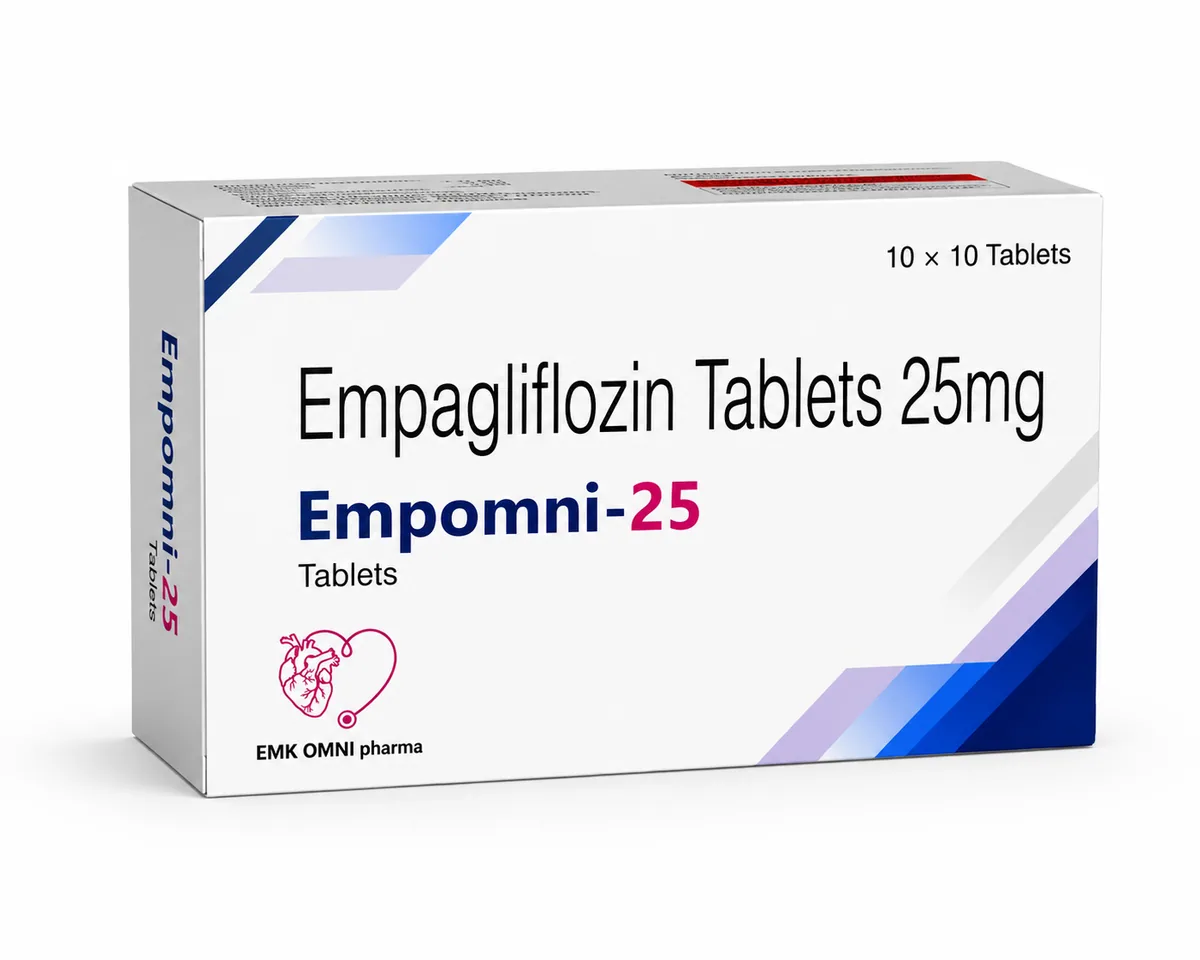
- SGLT2 inhibitors such as empagliflozin, available as Empomni-25, help the kidneys pass extra glucose in the urine.
- Other options include pioglitazone, injectable GLP-1 medicines and insulin.
These are Schedule G and Schedule H prescription medicines. Your doctor decides which one suits you, at what strength and for how long.
When to Seek Urgent Care and Why Follow-Up Matters
Go to a hospital without delay if very high sugar readings come with vomiting, drowsiness, deep rapid breathing or severe dehydration. Treat signs of low blood sugar, such as sweating, shaking or confusion, at once with sugar and then contact your doctor. Chest pain, sudden loss of vision or a spreading foot wound need same-day attention.
Follow-up is where diabetes care is really done. Most people need an HbA1c every three to six months, a yearly eye and kidney check, and a foot examination at each visit. Stopping a medicine on your own can undo months of progress. This article is for general information only and is not a substitute for advice from a registered medical practitioner.
Frequently asked questions
- Can type 2 diabetes go away if I lose weight?
- Some people with early diabetes reach normal readings after major, sustained weight loss, and doctors call this remission. Blood sugar can rise again later, so monitoring continues and medicines are never stopped without medical advice.
- Is Gluomni M1 taken before or after food?
- Metformin-containing tablets are generally taken with or just after food to reduce stomach upset, and glimepiride is timed around a meal. Your doctor sets the exact timing and strength.
- Do I need to check blood sugar at home every day?
- It depends on your treatment. People on insulin or a sulfonylurea usually test more often than those on metformin alone. Ask your doctor for a monitoring schedule.
- Are diabetes tablets sold without a prescription in India?
- No. They fall under Schedule G and Schedule H, so a licensed chemist can dispense them only against a prescription from a registered medical practitioner.
- Can I keep a religious fast if I have diabetes?
- Many people can with planning, but medicines that lower blood sugar may need a change in timing or strength. Speak to your doctor before Ramzan, Ekadashi, Navratri or any long fast.
- Why did my doctor add a second tablet?
- Type 2 diabetes changes over time and one medicine may stop being enough. Adding a second class that works differently is a normal step in care, not a sign of failure.
- Can diabetes damage my eyes and kidneys without symptoms?
- Yes. Damage often begins quietly, which is why yearly retinal examination and urine protein testing are advised even when you feel completely well.
- Can I switch from one diabetes brand to another on my own?
- No. Strengths and combinations differ between brands, and switching without advice can cause low or poorly controlled blood sugar. Ask your doctor or pharmacist first.
Need Gluomni M1 for your pharmacy, hospital or clinic?
EMK Omni Pharma supplies through authorised channels across Karnataka. Send an enquiry and our team will respond during business hours.
Related guides
Medical Disclaimer
This product information is intended for general awareness only and should not be considered medical advice. Please consult a registered medical practitioner before using any prescription medicine.