High Cholesterol Guide: Where Atomni-40 Fits In
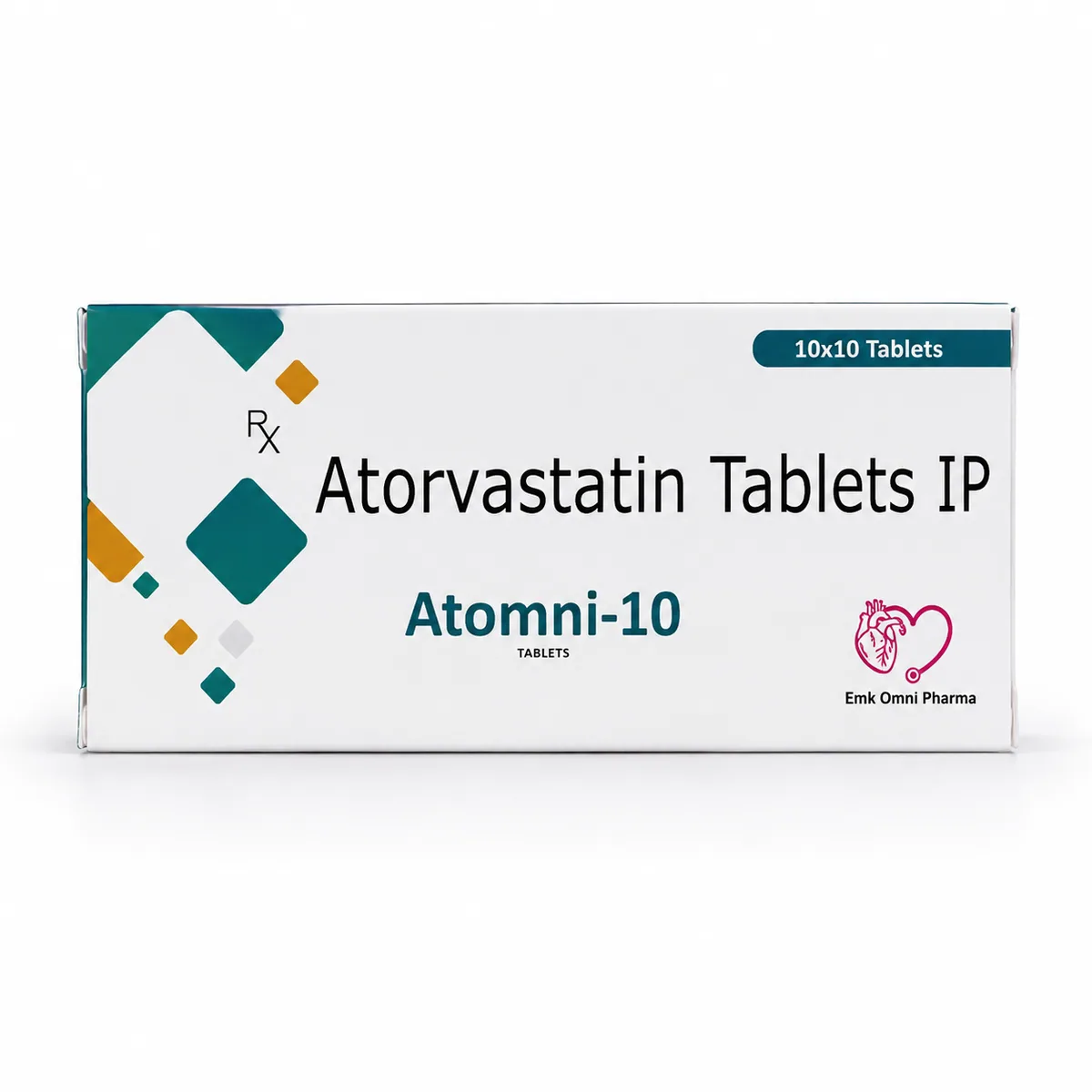
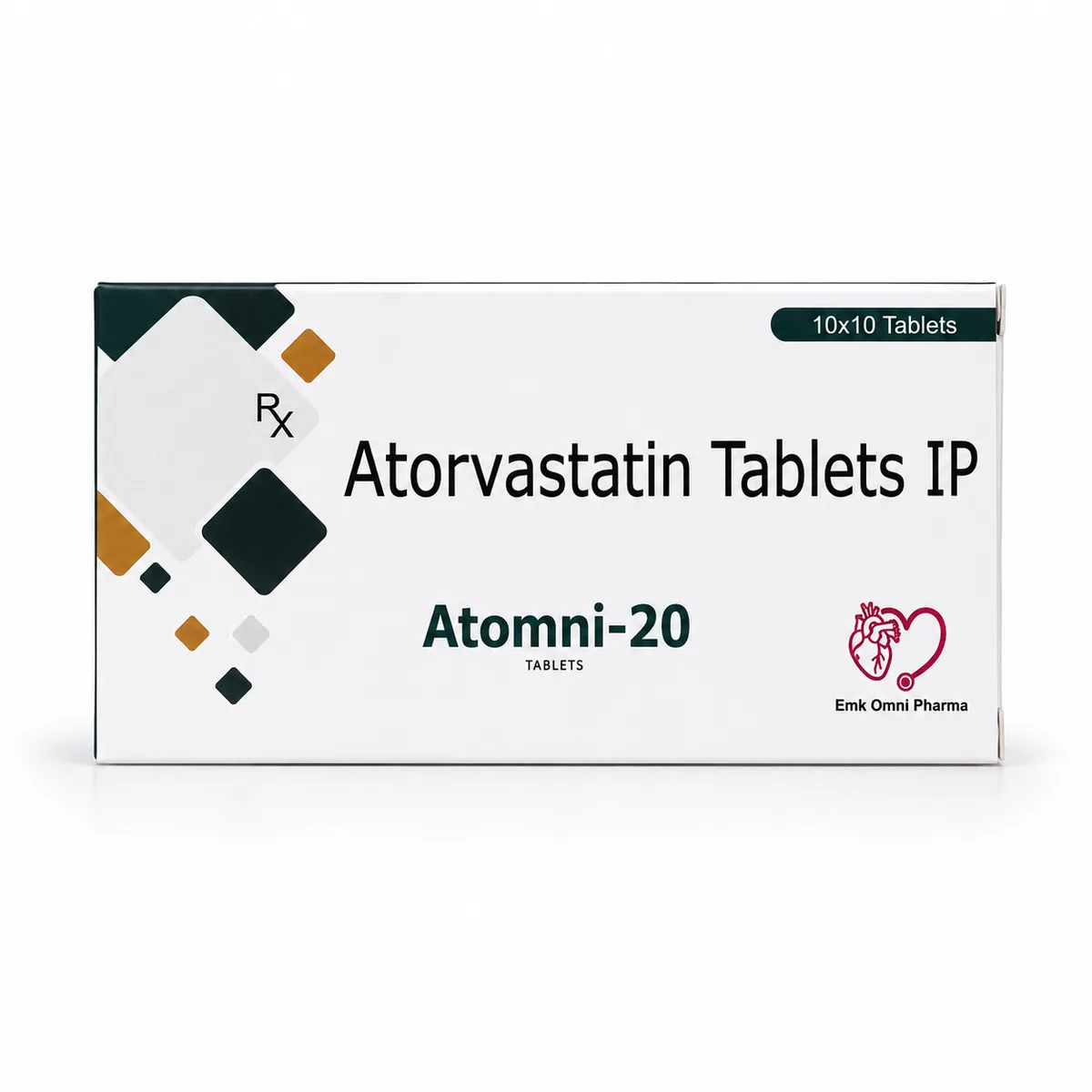
Atomni-40: Atorvastatin Tablets IP
High cholesterol produces no symptoms yet quietly raises cardiovascular risk. This guide explains the condition, the lifestyle measures that matter and where a statin fits.
What High Cholesterol Actually Means
Cholesterol is a fatty substance the body needs, carried around in the blood by particles called lipoproteins. A lipid profile measures the main ones: LDL, HDL, total cholesterol and triglycerides.
LDL is often called the harmful fraction because when there is too much of it, LDL can deposit in the walls of arteries. Over years these deposits, along with inflammation, form plaques that narrow the vessel or become unstable. HDL helps carry cholesterol away from tissues. Triglycerides are a different kind of blood fat, strongly influenced by diet, alcohol, weight and blood sugar control.
The medical term for an unfavourable pattern of these numbers is dyslipidaemia. It is not one number being wrong; it is the overall balance, read alongside your age, blood pressure, blood sugar, weight, smoking status and family history.
Symptoms and Why Testing Matters
High cholesterol has no reliable symptoms. It does not cause headaches, tiredness or chest discomfort by itself. People often feel completely fit right up to the point at which a complication occurs.
Rarely, very high inherited cholesterol shows visible signs such as fatty deposits around the eyelids or over tendons, or a pale ring around the cornea in a younger person. These are worth showing to a doctor, but their absence proves nothing.
This is why testing matters. A simple lipid profile, done at the interval your doctor advises, is the only way to know. Indians tend to develop cardiovascular disease at younger ages than many other populations, so doctors here often begin checking earlier, particularly when there is diabetes, hypertension, obesity, tobacco use or a family history of early heart trouble.
Lifestyle Measures That Genuinely Help
- Cooking fat. Reduce vanaspati, repeatedly reheated oil and deep fried snacks. Use oil in measured quantities rather than by eye
- Everyday food. More whole grains, dals, vegetables, fruit and nuts. Fewer bakery items, packaged snacks and sweets
- Portion and weight. Even a modest reduction in waist size improves triglycerides and blood sugar together
- Movement. Regular brisk walking most days of the week, built up gradually and cleared with your doctor if you have heart disease
- Tobacco. Stopping smoking or chewing tobacco is one of the single most valuable changes for the arteries
- Alcohol. Reducing intake helps triglycerides and protects the liver
- Sleep and stress. Poor sleep and chronic stress worsen blood pressure and eating patterns
These measures are not an alternative to treatment when risk is high. They are the base on which any treatment stands.
Where Medicines Like Atomni-40 Fit In
A doctor decides on medication by looking at the whole picture, not at a single LDL figure. Someone with mildly raised cholesterol and no other risk may be advised to try lifestyle change alone for a period. Someone with established heart disease, or diabetes with additional risks, may be started on a statin at the first visit.
When a statin is chosen, the strength is matched to how much LDL reduction is needed. Atomni-40 provides atorvastatin at 40 mg, one of the higher routine strengths, and is typically used where a firmer effect is required. Additional medicines are sometimes added if a statin alone does not achieve the target or if triglycerides remain very high.
Treatment continues alongside diet and exercise, never instead of them.
Why Follow-Up Matters So Much
Because the condition is silent, follow-up is the only feedback loop you have. A repeat lipid profile shows whether the current plan is working. Liver function and blood sugar may be checked as well. Blood pressure and weight are usually recorded at the same visit.
Many people quietly stop treatment after a few months because they feel fine. Feeling fine is expected, since cholesterol never made them feel unwell in the first place. Stopping usually allows levels to drift back up within weeks.
Keep a simple folder of your reports, take it to every appointment, and ask your doctor to explain what changed since last time. Understanding your own trend is the best motivation to continue.
This article is for general information only and is not a substitute for advice from a registered medical practitioner.
Frequently asked questions
- Do I need to fast before a lipid profile?
- Some doctors ask for a fasting sample and others accept a non-fasting one. Follow the instruction given by the doctor or the laboratory.
- Can thin people have high cholesterol?
- Yes. Body weight is only one factor. Genetics, diet quality, thyroid function and other conditions all influence lipid levels.
- Is a vegetarian diet enough to control cholesterol?
- Not always. Fried food, vanaspati, sweets and refined carbohydrates can raise lipid levels in a vegetarian diet too.
- How soon should I repeat my lipid test after starting treatment?
- Doctors commonly repeat the test some weeks after starting or changing a medicine. Your doctor will set the exact interval.
- Does high cholesterol run in families?
- It can. Inherited disorders cause very high cholesterol from a young age, so tell your doctor about heart disease in close relatives.
- If my HDL is good, can I ignore a high LDL?
- No. LDL remains an important target regardless of HDL. Your doctor interprets the whole profile along with your other risk factors.
Need Atomni-40 for your pharmacy, hospital or clinic?
EMK Omni Pharma supplies through authorised channels across Karnataka. Send an enquiry and our team will respond during business hours.
Related guides
Medical Disclaimer
This product information is intended for general awareness only and should not be considered medical advice. Please consult a registered medical practitioner before using any prescription medicine.