Sitagliptin and Metformin Explained: How Sitomni-M Works
Sitomni-M 50/500: Sitagliptin & Metformin Hydrochloride Tablets
What are the molecules inside Sitomni-M 50/500? This article explains biguanides and DPP-4 inhibitors in plain language and why doctors often prefer them in one fixed-dose tablet.
Metformin Hydrochloride: The Biguanide Class
Metformin belongs to the biguanide class and is one of the most widely used oral medicines in diabetes care worldwide. Its origins trace back to plant chemistry studied long before modern diabetes clinics existed, and it has been in mainstream clinical use for decades.
Its main action is on the liver. Between meals and through the night, the liver manufactures and releases glucose through a process called gluconeogenesis. In type 2 diabetes this process runs harder than it should, which is one reason fasting readings are high. Metformin reduces that output.
A second action is on peripheral tissues, mainly muscle, where it improves the response to insulin so glucose moves out of the blood more readily. It also slows glucose absorption from the gut to a degree.
Because metformin does not stimulate the pancreas to pour out insulin, it does not usually cause low blood sugar when taken alone. That single property is a large part of why it remains a first choice for so many patients.
Sitagliptin: The DPP-4 Inhibitor Class
Sitagliptin belongs to a newer group known as DPP-4 inhibitors, or gliptins. Understanding it means starting with the incretin effect.
When food reaches the gut, cells in the intestinal lining release hormones called GLP-1 and GIP. These incretins prompt the pancreas to release insulin and tell the alpha cells to release less glucagon, the hormone that raises blood sugar. This is why glucose taken by mouth produces a bigger insulin response than the same amount given into a vein.
The catch is that an enzyme called dipeptidyl peptidase-4 breaks these hormones down within a few minutes. Sitagliptin blocks that enzyme, so the incretin signal persists longer after every meal.
The key feature is that this action is glucose dependent. The insulin push happens when glucose is elevated and fades when it is not, which is why gliptins on their own are not typical causes of hypoglycaemia. They are also generally weight neutral, which matters to many patients.
How These Classes Compare Conceptually
It helps to think of oral diabetes medicines as answering different questions.
- Biguanides such as metformin ask: how do we stop the liver over-supplying glucose and help tissues use what is there?
- DPP-4 inhibitors such as sitagliptin ask: how do we strengthen the body's own after-meal signal without forcing insulin out at the wrong time?
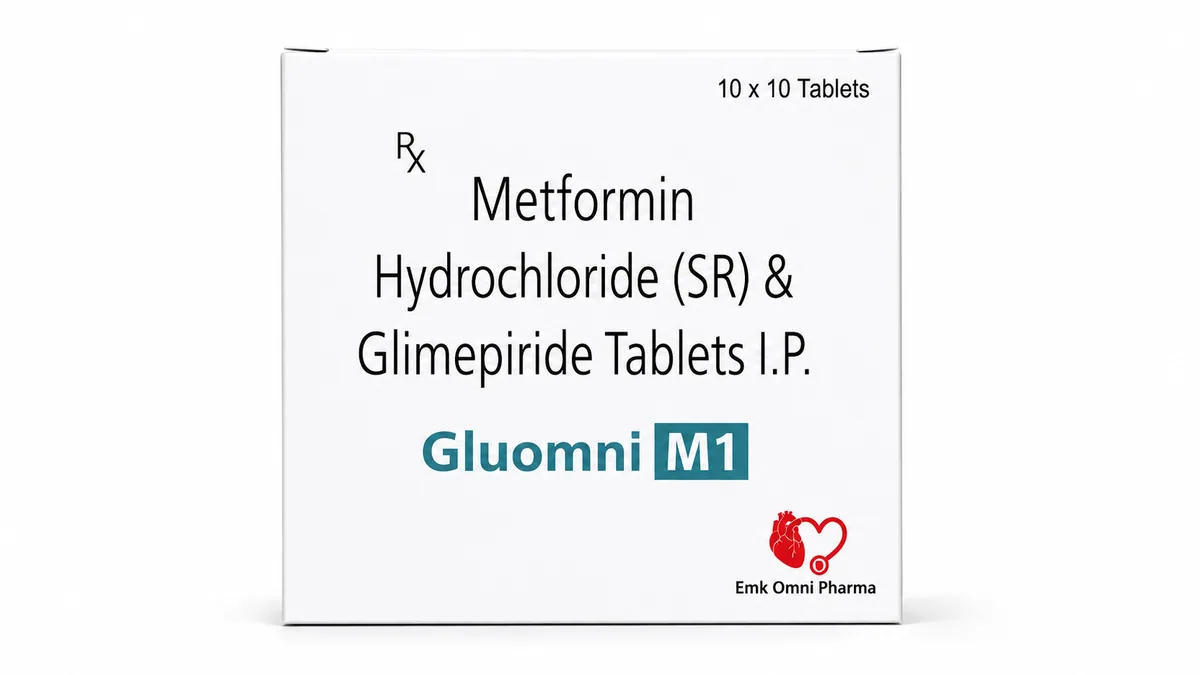
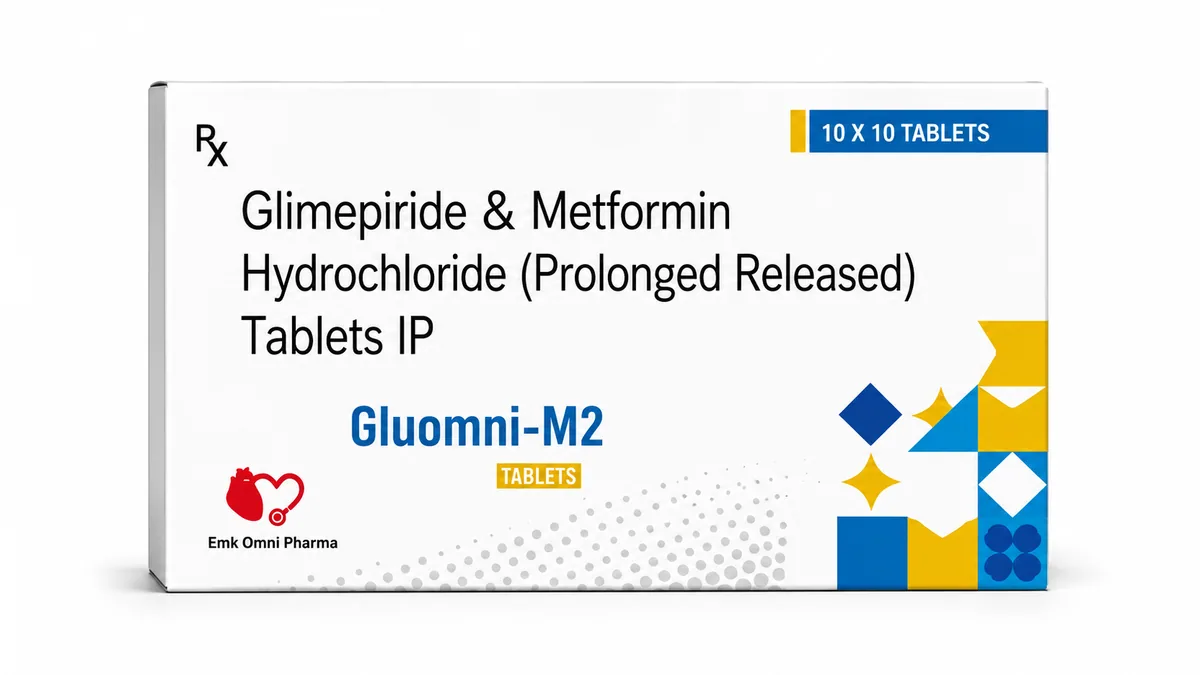
- Sulfonylureas such as glimepiride ask: how do we make the pancreas release more insulin directly? They are effective but carry a higher chance of low blood sugar and can add weight.
Within the gliptin class, molecules differ mainly in how they are cleared from the body, which affects dosing in kidney or liver impairment, and in their interaction profiles. Choosing between them is a clinical decision that depends on the individual patient, not on a general ranking.
Why Fixed-Dose Combinations Like Sitomni-M 50/500 Exist
Once a doctor has decided a patient needs two molecules, there are two ways to deliver them: two separate tablets, or one tablet containing both. Fixed-dose combinations such as Sitomni-M 50/500 exist for practical reasons.
- Fewer tablets each day, which makes long-term adherence easier, especially for people already taking medicines for blood pressure, cholesterol and other conditions
- Complementary mechanisms in a single dose, covering fasting and post-meal glucose
- Simpler routines, since one tablet at one meal time is easier to remember than two at different times
- Fewer refill errors at the chemist counter
The trade-off is flexibility. With separate tablets a doctor can fine-tune each molecule independently. That is exactly why fixed-dose combinations come in several strengths, and why moving between them is a decision for the doctor rather than the patient.
What This Means for Someone Taking Sitomni-M 50/500
Knowing the classes is useful for three reasons. It explains why your doctor asks about kidney function, since metformin is cleared by the kidneys. It explains why stomach upset is common early on, since that comes from the metformin side. And it explains why low blood sugar is not the usual pattern with this pair unless another medicine such as insulin or a sulfonylurea is added.
It also explains why the tablet is prescription only. Choosing the right class, the right strength and the right combination for a specific person needs training and test results.
Use this knowledge to ask better questions at your next appointment rather than to adjust anything yourself. This article is for general information only and is not a substitute for advice from a registered medical practitioner.
Frequently asked questions
- What class of medicine is sitagliptin?
- Sitagliptin is a DPP-4 inhibitor, sometimes called a gliptin. It blocks the enzyme that breaks down the gut incretin hormones released after a meal.
- What class does metformin belong to?
- Metformin is a biguanide. It mainly reduces glucose production by the liver and improves how muscle tissue responds to insulin.
- Why do gliptins rarely cause low blood sugar on their own?
- Their effect is glucose dependent. The incretin-driven insulin response is stronger when blood glucose is high and fades as it comes down.
- Is a combination tablet better than two separate tablets?
- It is more convenient and easier to keep to, but separate tablets allow finer adjustment of each molecule. Your doctor weighs both when choosing.
- Does sitagliptin contain insulin?
- No. Sitagliptin is not insulin and does not contain it. It helps the body use its own insulin response more effectively after meals.
- Why does the pack say Sitagliptin Phosphate?
- Sitagliptin is formulated as a phosphate salt for stability. The label states that the phosphate is equivalent to 50 mg of sitagliptin base per tablet.
Need Sitomni-M 50/500 for your pharmacy, hospital or clinic?
EMK Omni Pharma supplies through authorised channels across Karnataka. Send an enquiry and our team will respond during business hours.
Related guides
Medical Disclaimer
This product information is intended for general awareness only and should not be considered medical advice. Please consult a registered medical practitioner before using any prescription medicine.