High Cholesterol Guide: Where Atomni-10 Fits In
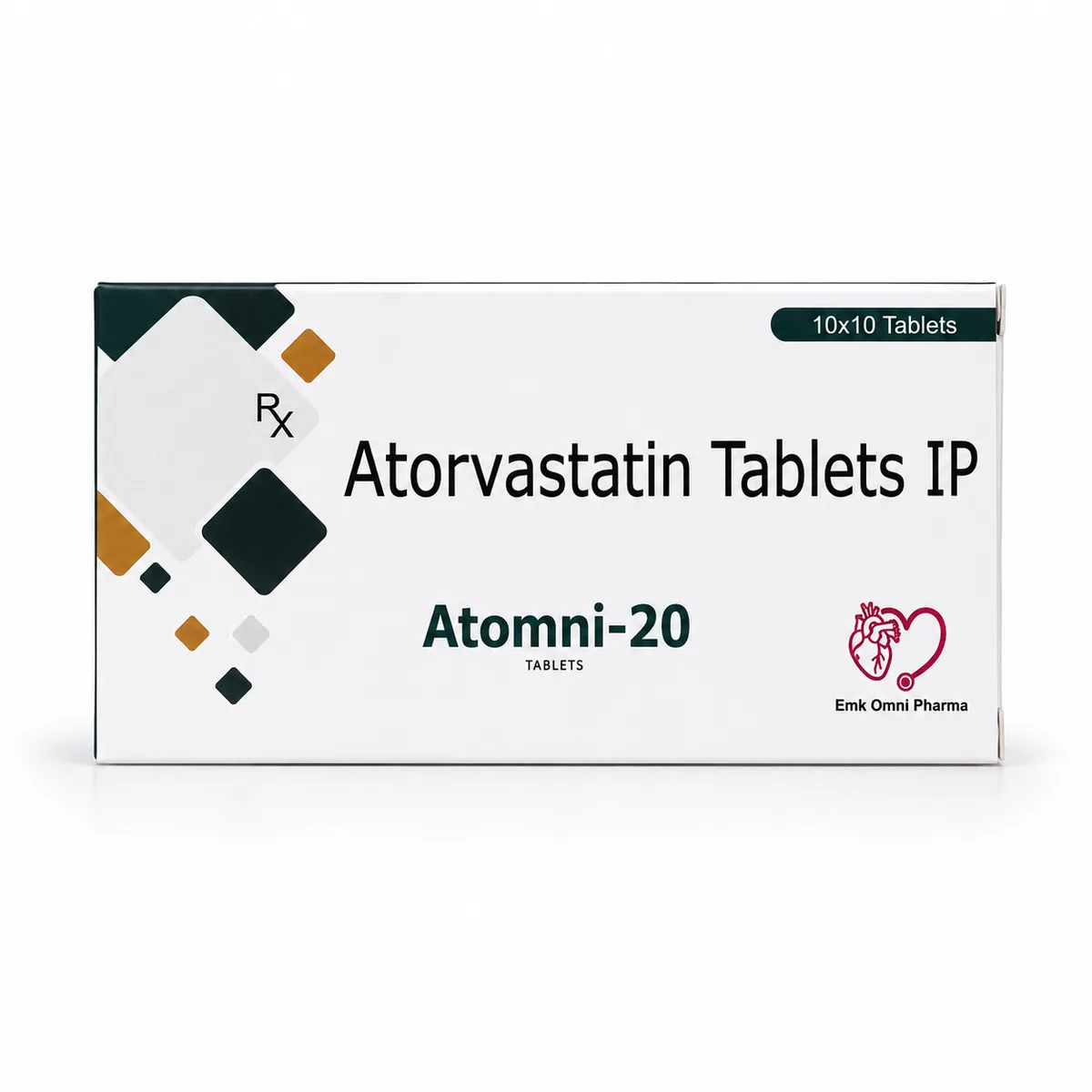
Atomni-10: Atorvastatin Tablets IP
High cholesterol rarely causes symptoms yet drives heart attacks and strokes. Learn what the numbers mean, which habits help and where Atomni-10 fits in managing it.
What is high cholesterol?
Cholesterol is a waxy substance the body needs for cell walls, hormones and vitamin D. It travels in the blood inside particles. LDL particles deliver cholesterol to tissues and, in excess, deposit it in artery walls, which is why LDL is called bad cholesterol. HDL particles carry cholesterol back to the liver and are protective. Triglycerides are a separate blood fat, pushed up by excess calories, sugar, alcohol and poorly controlled diabetes.
High cholesterol, or dyslipidaemia, means one or more of these is outside the healthy range. Over years the excess builds into plaques that narrow arteries, a process called atherosclerosis. When a plaque ruptures and a clot forms, the result is a heart attack or stroke.
What are the symptoms of high cholesterol?
For most people there are none. The condition is found on a routine blood test or, unfortunately, after a cardiac event. In inherited forms, doctors may notice yellowish fatty deposits on the eyelids, lumps over the tendons at the knuckles or heel, or a pale ring around the edge of the cornea in a younger person. Chest pain on exertion, breathlessness or calf pain when walking are signs that arteries have already narrowed and need urgent evaluation.
Because there is no warning, adults are advised to have a lipid profile checked periodically, earlier and more often if there is diabetes, high blood pressure, obesity, smoking or a family history of early heart disease. Indians as a group tend to develop heart disease considerably earlier than Western populations, often with raised triglycerides, low HDL and small, dense LDL particles that are particularly harmful.
Diet and lifestyle changes that lower cholesterol
- Fats: Cut back on ghee, butter, vanaspati and deep-fried snacks. Use small amounts of oils such as mustard, groundnut, rice bran or sunflower and rotate them. Avoid bakery products made with hydrogenated fat.
- Fibre: Oats, millets such as ragi and jowar, whole wheat, dals, beans, vegetables and whole fruit help lower LDL and steady blood sugar.
- Protein: Prefer fish, skinless chicken, eggs in moderation, sprouts and nuts over red or processed meat.
- Sugar and refined carbohydrates: Large portions of white rice, maida, sweets and sugary drinks push triglycerides up.
- Activity: Aim for brisk walking or similar exercise on most days, plus some strength work.
- Tobacco and alcohol: Stop all forms of tobacco, including gutka and beedis, and keep alcohol minimal.
- Weight and sleep: Losing even modest abdominal fat improves the whole lipid picture, and adequate sleep supports it.
Where medicines like Atomni-10 fit in
Lifestyle change is always the first step and continues for life. Medicines are added when the doctor judges that lifestyle alone will not bring risk down enough: when LDL stays high after genuine effort, when cholesterol is very high from the start, when diabetes, kidney disease or existing heart disease multiplies the risk, or in inherited disorders.
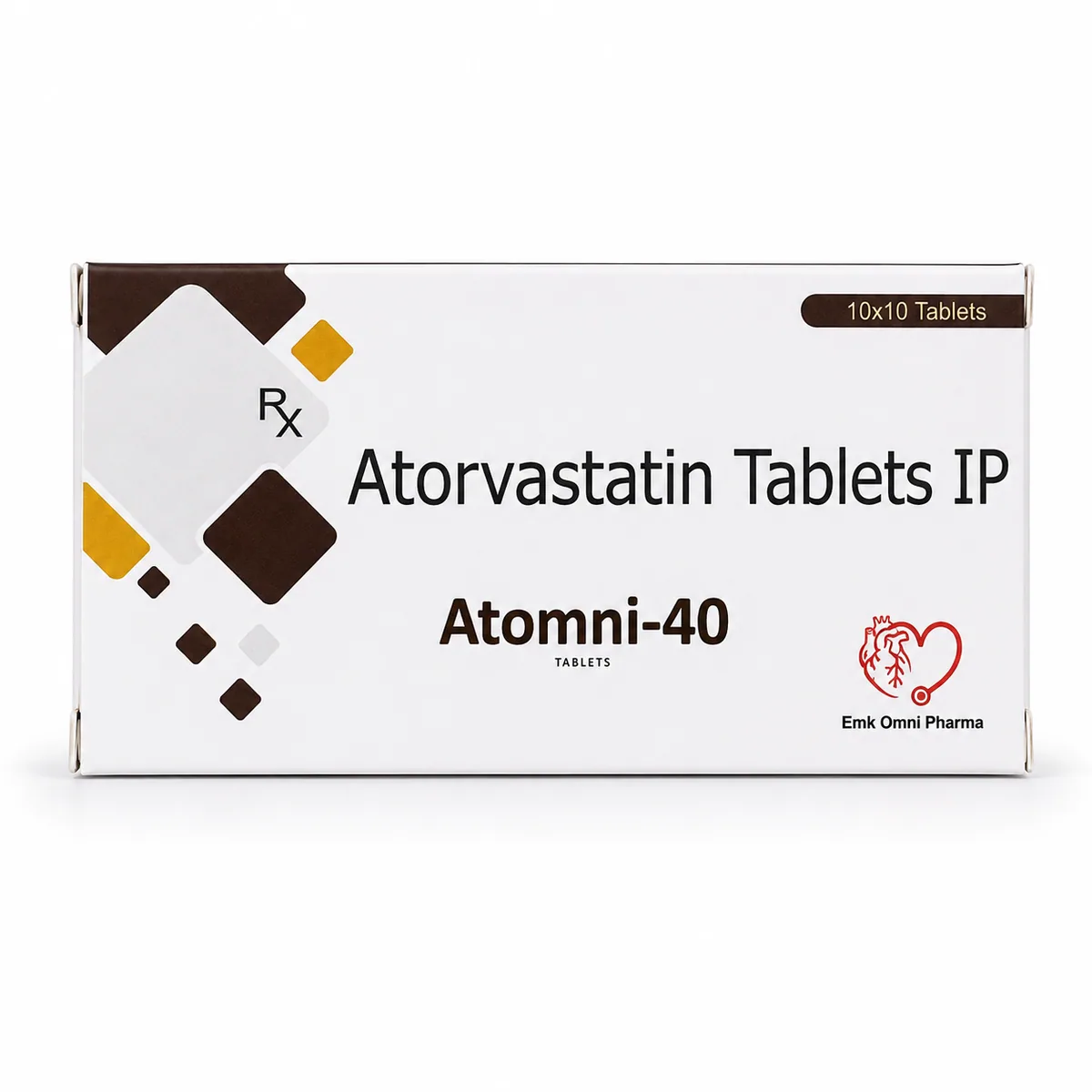
Statins are the first-choice medicine, and atorvastatin is among the most used. Atomni-10 provides the 10 mg strength, a common starting point for moderate-risk patients, with higher strengths or a second medicine such as ezetimibe reserved for those who need more. The doctor sets the LDL target according to risk category and chooses the strength to reach it.
Why follow-up and regular testing matter
A lipid profile a few weeks after starting treatment shows whether the target has been met. Later checks, usually yearly, confirm it is holding and catch drift caused by weight gain, missed doses or new medicines. Follow-up visits are also when the doctor asks about muscle symptoms, reviews liver tests, updates blood pressure and sugar control and revisits the overall plan. High cholesterol is a long-term condition to be managed, so the partnership with your doctor continues. This article is for general information only and is not a substitute for advice from a registered medical practitioner.
Frequently asked questions
- What LDL level counts as high?
- Targets vary with risk. Doctors set a lower goal for people with diabetes or existing heart disease than for healthy adults, so the same number can be acceptable for one person and too high for another.
- Can high cholesterol be brought down with diet alone?
- Diet and exercise lower cholesterol meaningfully and are enough for some people at low risk. Others, especially those with inherited high cholesterol or diabetes, need a statin such as Atomni-10 as well.
- Is coconut oil good or bad for cholesterol?
- Coconut oil is high in saturated fat and tends to raise LDL, so it is best used sparingly. Rotating oils and keeping total fat modest matters more than any single oil.
- Does high cholesterol run in families?
- Yes. Familial hypercholesterolaemia is inherited and causes very high LDL from childhood. If a close relative had early heart disease, get your lipid profile checked.
- Can thin people have high cholesterol?
- Yes. Body weight is only one factor. Genetics, diet composition, thyroid function and diabetes all influence cholesterol regardless of build.
Need Atomni-10 for your pharmacy, hospital or clinic?
EMK Omni Pharma supplies through authorised channels across Karnataka. Send an enquiry and our team will respond during business hours.
Related guides
Medical Disclaimer
This product information is intended for general awareness only and should not be considered medical advice. Please consult a registered medical practitioner before using any prescription medicine.