High Blood Pressure: Where Bisomni 5 Fits In
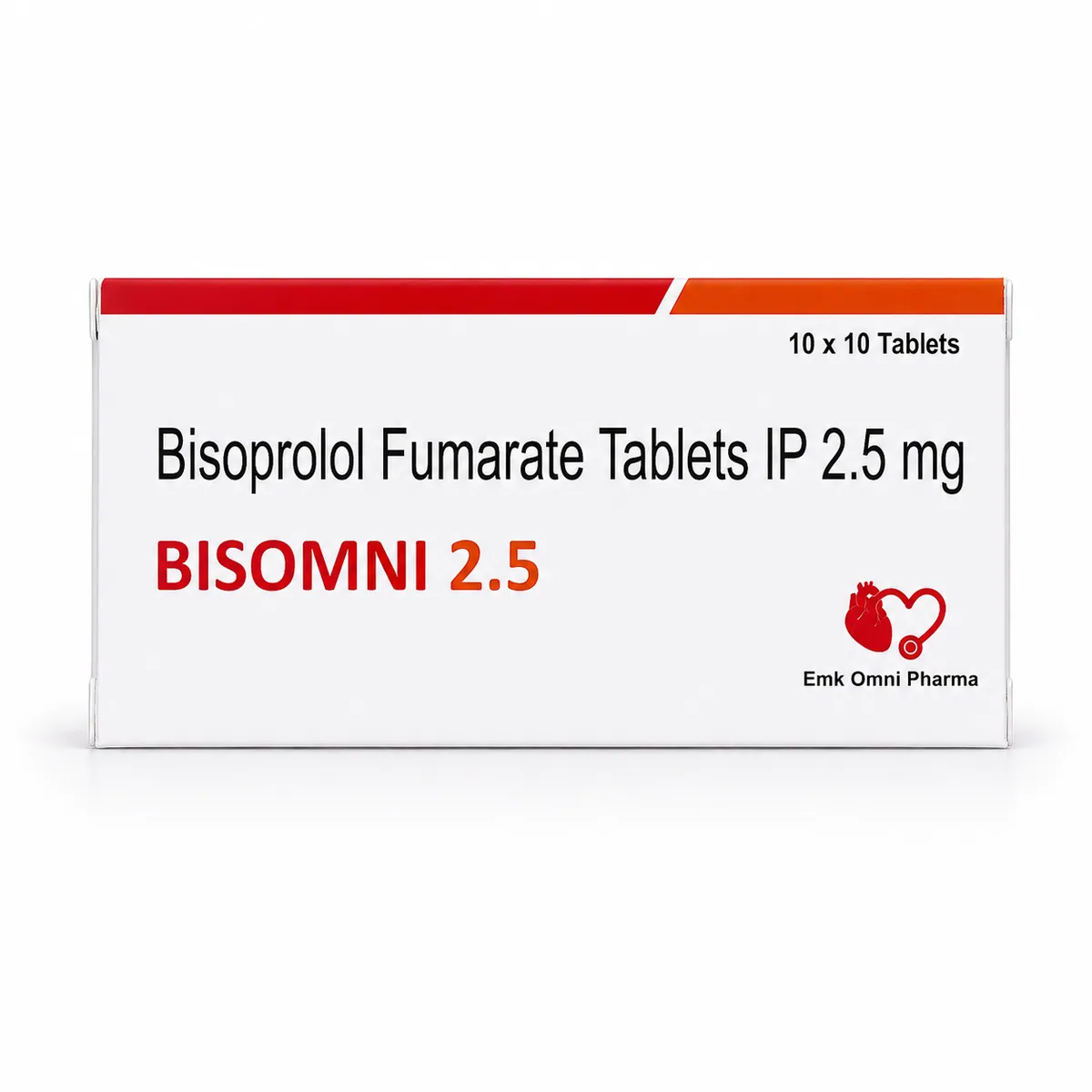
Bisomni 5: Bisoprolol Fumarate Tablets IP 5 mg
High blood pressure rarely announces itself, which is why it does damage quietly for years. Here is what it is, what helps, and where a beta-blocker like Bisomni 5 sits in the plan.
What Is High Blood Pressure?
Blood pressure is the force of blood pushing against the walls of the arteries. It is written as two numbers. The upper number is the pressure when the heart contracts, and the lower number is the pressure when the heart relaxes between beats.
Pressure naturally rises and falls through the day, going up with activity, stress, cold and a full bladder, and falling during sleep. High blood pressure, or hypertension, means the pressure stays raised over time, not that it touched a high number once.
That is why a diagnosis is not made from a single reading in a busy clinic. Doctors usually confirm it with repeat readings on different days, and often with home readings or a 24 hour monitor. Your doctor also sets the target for you personally, since the right target differs with age, diabetes, kidney disease and heart disease.
Why It Is Called a Silent Condition
Most people with high blood pressure feel completely well. There is no reliable symptom that tells you your reading is up, which is the single most dangerous thing about it.
Some people do report headache, a heavy feeling at the back of the head, giddiness, disturbed sleep, nosebleeds or flushing, but these occur just as often in people whose readings are normal. Treating on the basis of how you feel is therefore unreliable in both directions, and it is the reason people stop tablets when they feel fine.
Severe headache with vomiting, chest pain, sudden breathlessness, blurred vision, weakness on one side of the body or difficulty speaking are different. They need emergency care immediately, not a home reading and a wait.
What Untreated High Blood Pressure Does Over Time
Years of raised pressure wear down the system slowly. The heart muscle thickens because it is pushing against resistance, and a thickened, stiff heart is more likely to fail later. Arteries stiffen and are more prone to blockage, which raises the risk of heart attack and stroke.
The small vessels suffer too. The kidneys filter through delicate vessels that are damaged by sustained pressure, and kidney disease and high blood pressure then feed each other. The back of the eye can be affected, which is why an eye examination sometimes reveals hypertension first.
None of this happens overnight, and that is the point. The purpose of treatment is to prevent problems that would otherwise arrive quietly in ten or twenty years.
Lifestyle Measures That Support Treatment
These steps work alongside medicines and make them more effective.
- Cut salt. Most of it is hidden in pickles, papad, namkeen, packaged snacks, instant noodles, sauces and restaurant food, not in the salt shaker alone.
- Eat more fruit, vegetables, whole grains and pulses. A largely home-cooked plate makes salt and oil easier to control.
- Move regularly. Brisk walking on most days is a realistic starting point for many people.
- Reduce excess weight, particularly around the waist.
- Limit alcohol and stop tobacco in every form, including gutka and khaini.
- Protect sleep. Loud snoring with daytime sleepiness deserves medical attention, since sleep apnoea drives blood pressure up.
- Manage stress in a way you will actually keep up, whether that is walking, yoga, prayer or time with family.
Where Bisomni 5 Fits in the Treatment Plan
When lifestyle alone does not bring readings to target, or when the risk is high from the start, doctors add medicine. Several families are available and they lower pressure by different routes: relaxing vessels, removing extra salt and water, blocking hormone chains, or slowing the heart.
Bisomni 5 belongs to the last group. Bisoprolol slows the heart and reduces the force of each beat, and also lowers renin release. This makes a beta-blocker particularly attractive when there is a second reason to slow the heart, such as angina, a previous heart attack, a fast resting pulse or stable long-term heart failure.
Combinations are common, because two medicines at moderate doses often control pressure better and more comfortably than one pushed high. Your doctor decides which combination fits your heart, kidneys, lungs and other conditions.
Why Follow-Up Visits Matter
Blood pressure treatment is not a one-time prescription. Readings shift with weight, season, stress, other illnesses and other medicines, so the plan needs review.
At a follow-up your doctor checks pulse and pressure, asks about side effects, reviews your home readings and may order kidney function, sugar, lipid or ECG tests. Dose changes usually come from this information rather than from how you say you feel.
Bring three things to every visit: your home reading record, your complete list of medicines including herbal and over-the-counter products, and any questions written down before you leave the house. And plan your refill in advance, because gaps in a blood pressure medicine undo weeks of steady control.
This article is for general information only and is not a substitute for advice from a registered medical practitioner.
Frequently asked questions
- If I feel fine, do I still need blood pressure medicine?
- Yes, if your doctor has prescribed it. High blood pressure usually causes no symptoms while it is damaging arteries, the heart and the kidneys.
- Will lifestyle changes alone control my readings?
- For some people with mild elevation they may be enough. For many others they lower the readings but not to target, so medicine is added. Your doctor decides based on your numbers and overall risk.
- How often should I check my blood pressure at home?
- Follow the schedule your doctor suggests. A common approach is a few readings a week at the same time of day, taken after sitting quietly for five minutes.
- Why was a beta-blocker chosen for me and not another medicine?
- Often because there is a reason to slow the heart as well as lower pressure, such as angina, a fast pulse or heart failure. Your doctor can explain the reason in your case.
- Can high blood pressure come back after treatment stops?
- In most people readings rise again if treatment stops, because the underlying tendency remains. Any plan to reduce or stop medicine must be made by your doctor.
- Does stress alone cause hypertension?
- Stress raises readings in the moment and unhealthy coping habits contribute over time, but sustained high blood pressure usually has several causes together.
Need Bisomni 5 for your pharmacy, hospital or clinic?
EMK Omni Pharma supplies through authorised channels across Karnataka. Send an enquiry and our team will respond during business hours.
Related guides
Medical Disclaimer
This product information is intended for general awareness only and should not be considered medical advice. Please consult a registered medical practitioner before using any prescription medicine.