Cilnidipine and Telmisartan: How Cilomni-T 10/40 Works
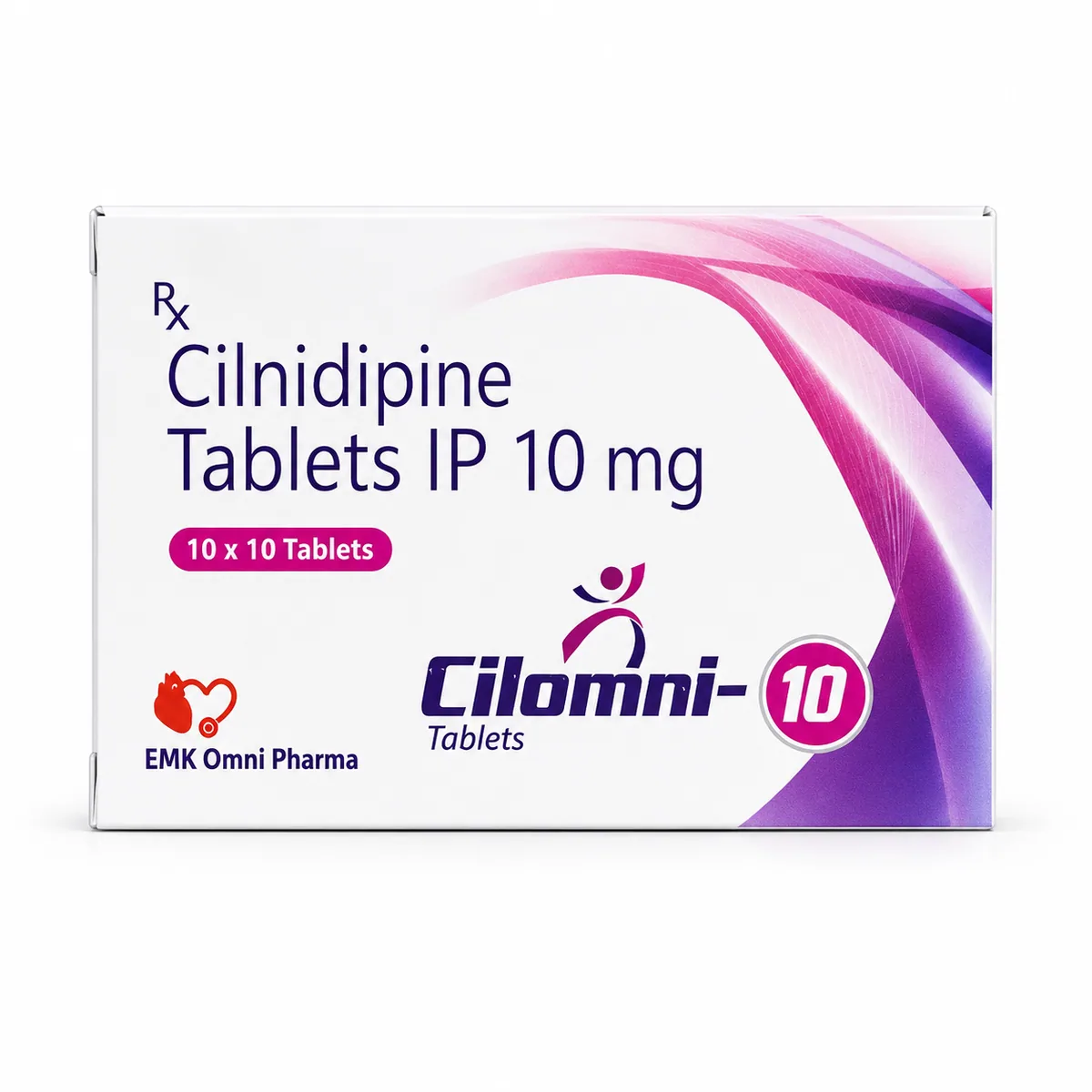
Cilomni-T 10/40: Cilnidipine & Telmisartan Tablets
What kind of medicines are cilnidipine and telmisartan, how does each one act on blood pressure, and why do doctors put them together in a single tablet such as Cilomni-T 10/40?
Cilnidipine: a dual calcium channel blocker
Calcium channel blockers were developed to stop calcium from flooding into muscle cells. In the dihydropyridine branch of the class, the main target is the smooth muscle wrapped around arteries. Block the L-type channel there and the vessel relaxes, so the heart pushes blood against less resistance.
Cilnidipine is described as a dual blocker because it also acts on N-type calcium channels, which sit at the endings of sympathetic nerves. Those nerve endings release noradrenaline, a chemical that tightens vessels and quickens the heart. Damping that release is the reason cilnidipine is grouped with the newer dihydropyridines rather than with the earliest ones.
Telmisartan: an angiotensin receptor blocker
The renin angiotensin aldosterone system is the body's own pressure control loop. When the kidney senses low flow, a chain of steps produces angiotensin II, which narrows vessels and triggers aldosterone, so the body holds on to salt and water.
Telmisartan blocks the AT1 receptor where angiotensin II delivers that message. Vessels stay relaxed and the salt and water signal grows quieter. Telmisartan is one of the longer acting members of its class, which is why it is generally a once daily molecule. Pharmacology texts also discuss a partial effect on PPAR gamma receptors, although prescribing decisions rest on blood pressure control and on the patient in front of the doctor.
Why combine two molecules in one tablet?
High blood pressure rarely has a single cause. Vessel tone, salt handling, kidney signalling and nerve activity all contribute, and blocking only one route often leaves the others free to push pressure back up.
A combination such as Cilomni-T 10/40 addresses two routes at once. Doctors also find that a fixed dose combination cuts down the number of tablets a patient has to remember, which usually improves regular use. The trade off is less flexibility, since the two doses move together, so a doctor picks a combination only when both parts suit the patient.
How cilnidipine compares within its class
Within the dihydropyridine family, molecules differ mainly in how quickly they act, how long they last and how much reflex activity they set off. The oldest members acted fast and could leave the heart racing. Later molecules act more smoothly across the day.
Cilnidipine belongs to the group with a gentler onset and the added N-type action. That combination is one reason it is often chosen when a doctor is thinking about ankle swelling or about a rising heart rate. None of this makes one molecule right for everyone, and the choice remains a clinical judgement.
What this means for someone taking Cilomni-T 10/40
You do not need to memorise the pharmacology, but two points are worth carrying. First, telmisartan works through the kidney system, which is why blood tests for creatinine and potassium form part of routine follow up. Second, cilnidipine works on vessels, which is why flushing, headache or mild ankle swelling can appear early.
The mechanism also explains the pregnancy warning. Blocking the angiotensin system is a problem for a developing foetus, so telmisartan is stopped as soon as pregnancy is detected.
This article is for general information only and is not a substitute for advice from a registered medical practitioner.
Frequently asked questions
- Is cilnidipine the same as other dihydropyridines?
- It shares the class action on L-type channels but adds N-type blockade at nerve endings, which sets it apart within the family.
- Is telmisartan an ACE inhibitor?
- No. It is an angiotensin receptor blocker. Both act on the same system but at different points, and the two are generally not combined.
- Why is the strength written as 10/40?
- The first number is cilnidipine in milligrams and the second is telmisartan in milligrams, exactly as stated on the label.
- What does IP on the label mean?
- IP stands for Indian Pharmacopoeia, meaning the ingredient meets the standard laid down in that official book.
- Do both molecules last a full day?
- Both are used in once daily regimens. Your doctor decides the frequency based on your readings and your response.
- Can the two molecules be taken as separate tablets?
- They can be prescribed separately. A doctor may still prefer one combined tablet to keep the daily routine simple.
Need Cilomni-T 10/40 for your pharmacy, hospital or clinic?
EMK Omni Pharma supplies through authorised channels across Karnataka. Send an enquiry and our team will respond during business hours.
Related guides
Medical Disclaimer
This product information is intended for general awareness only and should not be considered medical advice. Please consult a registered medical practitioner before using any prescription medicine.