Gluomni-M2 Diet and Lifestyle: Food, Alcohol and Fasting
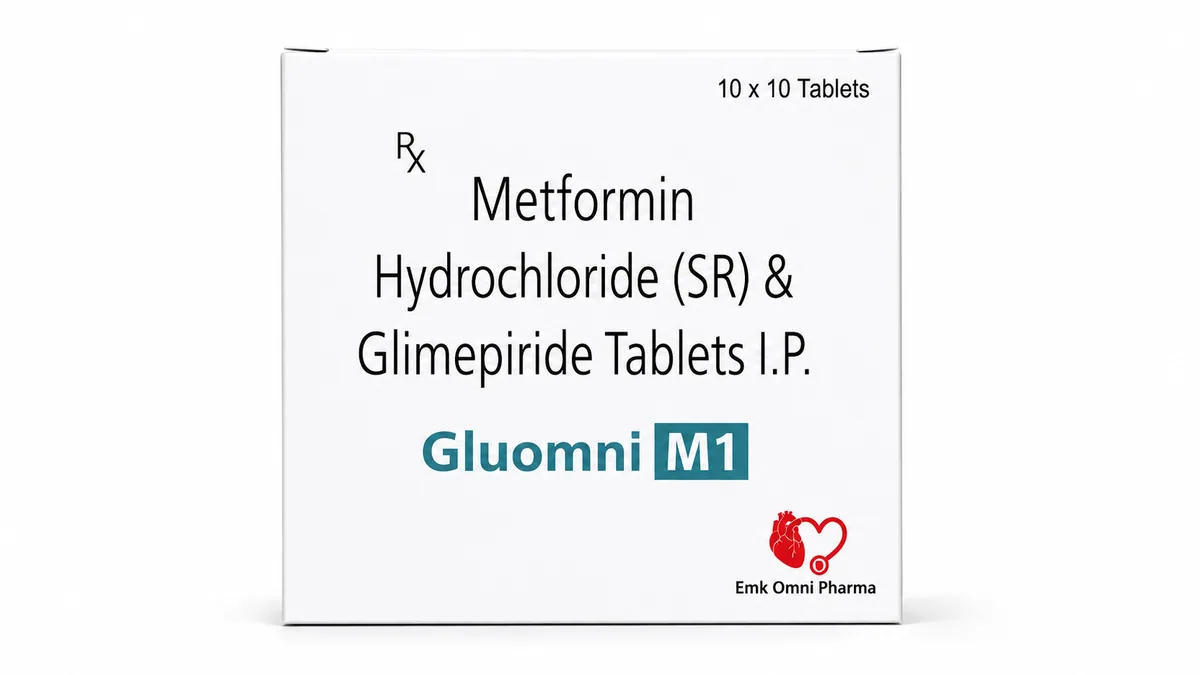
Gluomni-M2: Glimepiride & Metformin Hydrochloride (Prolonged Release) Tablets IP
Food, alcohol, exercise, fasting days and festivals all affect how well Gluomni-M2 works. Here is practical, everyday guidance for people taking glimepiride with metformin in India.
Why regular meals matter with Gluomni-M2
Diabetes medicines and meals work as a pair. Glimepiride prompts the pancreas to release insulin, which lowers blood sugar whether or not food has arrived. So the single most useful habit is not skipping meals, especially the meal that goes with the tablet.
Metformin behaves differently. It reduces the glucose the liver makes and helps the body use insulin better, and it rarely causes low sugar on its own. It can upset the stomach, which is why it sits better when taken with food. The prolonged release layer in Gluomni-M2 spreads that release out through the day, which is one reason the tablet should be swallowed whole and not crushed or chewed.
Eat at roughly the same times each day. Long unplanned gaps between meals are what turn an ordinary day into a low sugar episode.
What to eat day to day on a diabetes medicine
No food list replaces the plan your doctor or dietitian gives you, but the principles are steady.
- Keep the portion of rice, chapati, poori and other refined carbohydrates measured rather than open ended
- Fill half the plate with vegetables, and include dal, curd, eggs, fish, paneer or lean meat for protein
- Choose whole grains and millets such as ragi, jowar and bajra where they suit your household
- Eat fruit whole instead of drinking juice, which delivers sugar much faster
- Treat sweets, bakery items and deep fried snacks as occasional, not daily
- Drink enough water through the day, particularly in hot weather
Keep a small source of fast sugar with you, such as glucose powder or a few toffees, in case of a low.
Alcohol, smoking and Gluomni-M2
Alcohol is the most important thing to be careful with on this combination, for two separate reasons. It blocks the liver from releasing stored glucose, which makes low blood sugar from glimepiride more likely and harder to recover from, and it is a known risk factor for lactic acidosis with metformin. Drinking on an empty stomach, or binge drinking, is riskier still. Many doctors advise avoiding alcohol altogether.
A further problem is that the flush, unsteadiness and confusion of drinking can look exactly like low blood sugar, so a real low can be missed by the people around you.
Smoking works against the whole purpose of diabetes treatment by damaging blood vessels. If you smoke or use tobacco in any form, ask your doctor about the support available to stop.
Exercise, fasting and festivals
Physical activity makes the body more sensitive to insulin, and that effect can last for hours. Brisk walking, cycling, swimming or simple strength work most days of the week is a reasonable goal. Build up gradually, avoid hard exercise on an empty stomach, and carry glucose. Check your feet after activity, since diabetes can reduce sensation.
Fasting is a genuine question for Indian patients, whether it is Ekadashi, Navratri, Karva Chauth, a Monday vrat or the month of Ramzan. A sulfonylurea and a long fast do not combine safely without planning. Speak to your doctor beforehand. The dose, the timing or the whole plan may need to be adjusted for those days, and some people are advised not to fast at all.
Festivals bring the opposite problem. Sweets, fried snacks and irregular meal times can send readings up. Plan a portion, keep your usual routine, and go back to normal eating the next day.
Sick days, tests and staying on track
Illness changes how this medicine behaves. Vomiting, loose motions, a high fever or poor fluid intake can leave you dehydrated, which affects the kidneys and raises the risk of metformin building up. Contact your doctor on such days rather than pushing through. Doctors also usually pause metformin around scans that use iodine based contrast dye and around some surgeries.
Keep up the blood tests your doctor orders, which typically include blood glucose, HbA1c, kidney function and vitamin B12 over the long term. Bring your readings to every visit.
Gluomni-M2 supports blood sugar control as one part of a plan. Diet, activity, sleep and follow up carry the rest of the weight, and your doctor decides the dose and duration.
This article is for general information only and is not a substitute for advice from a registered medical practitioner.
Frequently asked questions
- Should this medicine be taken with food?
- Glimepiride containing tablets are usually taken with or just before a meal, and metformin sits better on a full stomach. Your doctor will confirm the timing that suits you.
- Can I drink alcohol while taking Gluomni-M2?
- It is best avoided. Alcohol raises the risk of low blood sugar with glimepiride and of lactic acidosis with metformin, and it can mask the signs of a low.
- Can I keep a religious fast on this medicine?
- Only after speaking to your doctor. Long fasts on a sulfonylurea can cause low blood sugar, and the dose or timing may need to change for those days.
- Do I still need to limit sweets?
- Yes. The medicine supports blood sugar control but does not remove the need for portion control. Keep sweets and fried snacks occasional, including during festivals.
- Is exercise safe while taking glimepiride and metformin?
- Regular activity such as brisk walking usually helps. Avoid hard exercise on an empty stomach, carry glucose or sugar, and increase your activity gradually.
- What should I do on a day with vomiting or loose motions?
- Dehydration matters with metformin. Take fluids, check your sugar and contact your doctor, who may advise pausing the medicine until you recover.
Need Gluomni-M2 for your pharmacy, hospital or clinic?
EMK Omni Pharma supplies through authorised channels across Karnataka. Send an enquiry and our team will respond during business hours.
Related guides
Medical Disclaimer
This product information is intended for general awareness only and should not be considered medical advice. Please consult a registered medical practitioner before using any prescription medicine.