Gluomni-M2 Missed Dose and Overdose: What You Should Do
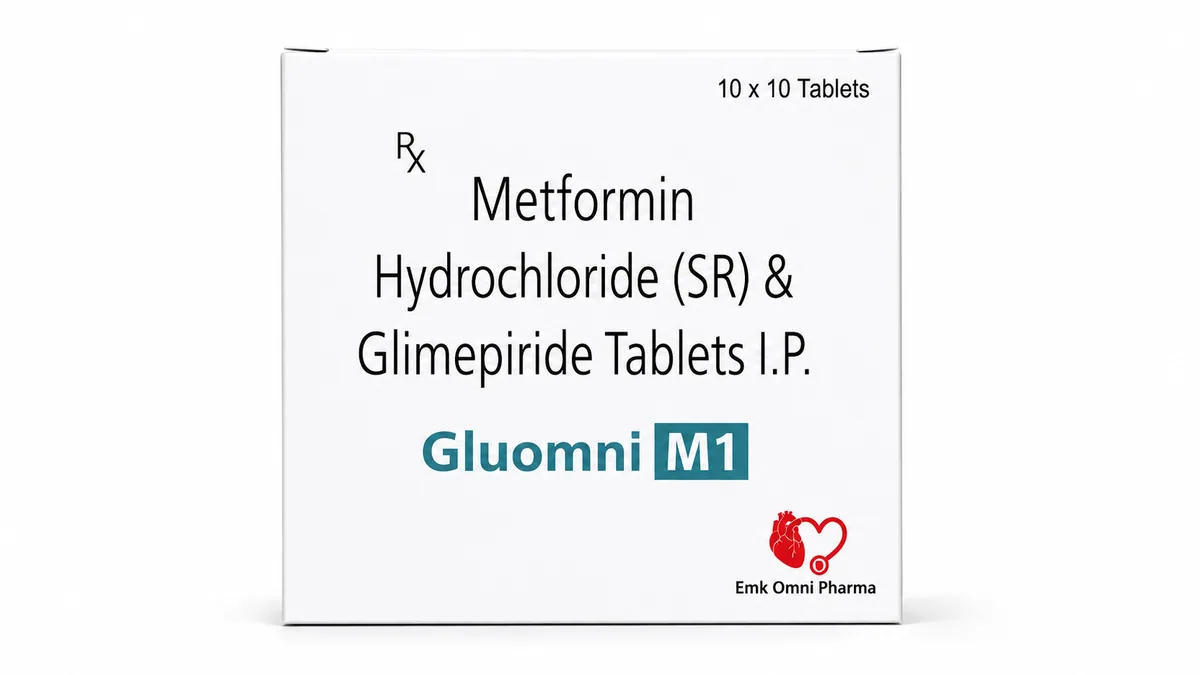
Gluomni-M2: Glimepiride & Metformin Hydrochloride (Prolonged Release) Tablets IP
Missed a dose of Gluomni-M2, or worried that too much was taken? Here is the general guidance on catching up safely, the warning signs of low blood sugar and lactic acidosis, and when to reach a hospital.
What to do if you miss a dose of Gluomni-M2
Missing a tablet now and then happens to almost everyone on long term treatment. The general rule is simple. If you remember soon and the next dose is still hours away, take the missed tablet. If the next dose is close, skip the missed one and go back to your usual timing.
Glimepiride adds one extra caution. It works by making the pancreas release more insulin, so it is normally taken with or just before a meal. Taking a delayed tablet on an empty stomach can push blood sugar too low. If you notice the missed dose long after eating, it is safer to ask your doctor or chemist than to decide on your own.
- Remembered close to a meal: usually take it, if your doctor has advised so
- Next dose almost due: skip the missed one
- Two or more doses missed, or you feel unwell: contact your doctor
Why doubling up on glimepiride and metformin is risky
Catching up feels logical, but with this combination it is the one thing to avoid.
Extra glimepiride means extra insulin release whether or not there is enough food in the system. That is what causes hypoglycaemia, or low blood sugar. Because glimepiride keeps working for many hours, a low it causes can last longer than one caused by a fast acting medicine.
Extra metformin does not usually lower blood sugar by itself, but a large excess can build up and, rarely, lead to a serious acid build up called lactic acidosis. That risk rises when the kidneys are not working well, when a person is dehydrated, or when alcohol is involved. The safe response to a missed dose is to go back to the normal schedule, not to catch up.
Signs that too much Gluomni-M2 has been taken
Two different pictures can appear, and it helps to know both.
Low blood sugar usually starts with sweating, shakiness, a fast heartbeat, sudden hunger, irritability, blurred vision or a headache. If it deepens there may be confusion, slurred speech, drowsiness, fits or loss of consciousness. Older people, those who have skipped meals and those with kidney problems are more prone to it.
Lactic acidosis is uncommon but serious. Warning signs include deep or rapid breathing, severe nausea and vomiting, stomach pain, muscle aches, unusual tiredness and feeling cold.
If a conscious person shows early low sugar signs, give sugar, glucose in water or juice, then something more solid. If the person is drowsy, confused or unconscious, put nothing in the mouth and take them to hospital at once.
What to take to hospital after a suspected overdose
Do not wait for symptoms to build if a large amount has been swallowed, including by a child. Go to the nearest emergency department.
- The Gluomni-M2 carton and any leftover blister strips, so staff can see the strength and batch number
- A list of every other medicine, supplement or herbal product being taken
- Blood sugar readings or a logbook, if one is kept
- Roughly when the tablets were taken and how many
Doctors may check blood glucose repeatedly, run kidney and acid base tests, and keep the person under observation. A low caused by a sulfonylurea can return several hours later, so people are often watched overnight even after they feel better.
How to avoid missing doses of Gluomni-M2
Small habits work better than good intentions.
- Fill a weekly pill box on a fixed day, so a missed dose is visible at a glance
- Set a phone alarm tied to a meal you rarely skip
- Keep the strip where the routine already happens, near the dining table rather than in a cupboard
- Count the tablets left a week before they run out and get the prescription refilled early
- Before travel, carry spare strips in hand luggage and keep them out of a hot car
- For festivals, weddings and fasting days, plan the timing with your doctor in advance instead of skipping doses
Take your strips to every review visit. Your doctor decides the dose and duration of Gluomni-M2, and an honest picture of what was actually taken helps that decision.
This article is for general information only and is not a substitute for advice from a registered medical practitioner.
Frequently asked questions
- What if I forget my tablet until the next dose is nearly due?
- Skip the forgotten tablet and take only the usual one. Doubling up raises the chance of low blood sugar from glimepiride. Tell your doctor if this happens often.
- Can I take two tablets to catch up?
- No. Two tablets together deliver double the glimepiride and metformin at once, which can cause hypoglycaemia and a build up of metformin. Return to the normal schedule instead.
- What are the first signs of low blood sugar?
- Sweating, shakiness, a racing heart, sudden hunger, irritability and blurred vision are common early signs. Treat them with sugar or glucose, then eat something solid.
- Does low blood sugar from glimepiride pass quickly?
- Not always. Sulfonylureas act for many hours, so a low can return after it seems to have settled. Doctors often keep the person under observation even after readings improve.
- What should I carry to hospital if too much was taken?
- Bring the Gluomni-M2 carton and leftover strips, a list of all other medicines, the approximate time and number of tablets taken, and any blood sugar readings.
- How do I avoid missing doses while travelling?
- Fill a weekly pill box, set alarms, keep extra strips in hand luggage, and collect the refill before you leave rather than after you return.
Need Gluomni-M2 for your pharmacy, hospital or clinic?
EMK Omni Pharma supplies through authorised channels across Karnataka. Send an enquiry and our team will respond during business hours.
Related guides
Medical Disclaimer
This product information is intended for general awareness only and should not be considered medical advice. Please consult a registered medical practitioner before using any prescription medicine.