Gluomni-M2 Side Effects: What to Watch For
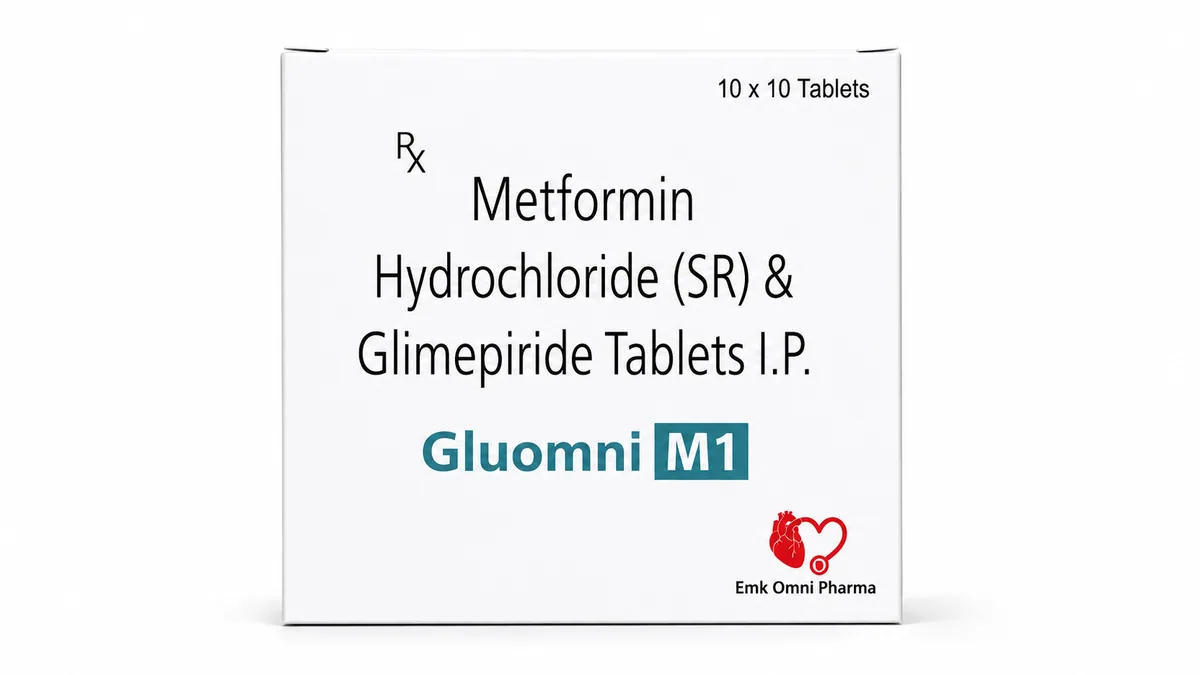
Gluomni-M2: Glimepiride & Metformin Hydrochloride (Prolonged Release) Tablets IP
Most side effects of Gluomni-M2 are mild and settle in the first weeks, but low blood sugar deserves respect. Here is what is common, what is rare and what needs urgent care.
Common Side Effects of Gluomni-M2
Most people who take a glimepiride and metformin combination manage well, and the effects that do appear are usually mild.
- Nausea, a full feeling, mild abdominal discomfort
- Loose motions, especially in the first two to three weeks
- A metallic taste in the mouth
- Reduced appetite
- Mild headache or tiredness
These come mainly from the metformin component and often ease as the body settles, which is part of why a prolonged release form is used. Taking the tablet with food helps. If loose motions are severe or persist beyond a few weeks, speak to your doctor instead of stopping the medicine on your own.
Low Blood Sugar: The Effect to Know Best
Because glimepiride prompts the pancreas to release insulin, blood sugar can fall too low. This is called hypoglycaemia and it is more likely if a meal is delayed or skipped, if you exercise harder than usual, if you drink alcohol, or if you take another medicine that also lowers glucose.
Typical early signs are sweating, trembling, a fast heartbeat, sudden hunger, dizziness, irritability, blurred vision and difficulty concentrating. The usual first response is to take fast acting sugar such as glucose powder, three to four teaspoons of sugar, or a sweet, then to eat a proper meal or snack. Tell your family and colleagues what these signs look like so they can help. Report every episode to your doctor, because repeated lows usually mean the dose needs review. Older adults and people who eat irregularly are at higher risk.
Less Common Effects to Mention at Your Next Visit
Some effects appear less often but are worth reporting.
- Skin rash, itching or increased sensitivity to sunlight, reported with sulfonylureas
- Changes in taste that do not settle
- Tingling or numbness in the hands and feet, which may relate to low vitamin B12 with long term metformin use
- Mild weight gain, which is sometimes seen with sulfonylurea treatment
- Occasional changes in liver or blood test results, picked up on routine testing
None of these is a reason to panic, but they are reasons to talk. Your doctor may order a vitamin B12 level, adjust the dose, or look at other parts of your treatment.
Serious Effects and Red Flags Needing Urgent Care
Serious reactions are uncommon, yet they need to be recognised quickly.
Lactic acidosis is a rare but serious problem linked to metformin, mostly in people with poor kidney function, severe dehydration, serious infection or heavy alcohol use. Warning signs include deep or rapid breathing, unusual muscle pain, severe tiredness, feeling very cold, stomach pain with vomiting and a general sense that something is badly wrong. This needs emergency hospital care.
Also seek urgent help for a severe low sugar episode with confusion, fits or loss of consciousness, for yellowing of the skin or eyes, dark urine and severe upper abdominal pain, and for signs of a serious allergic reaction such as swelling of the face, lips or throat, or difficulty breathing.
How Doctors Usually Manage These Side Effects
Doctors have several ways to deal with side effects without abandoning good sugar control. They may keep the strength the same but change the timing or link it more firmly to a meal, so that stomach upset or lows become less likely. They may lower the strength for a while and build it back up. They may treat the symptom directly, for example by prescribing vitamin B12 if levels are low.
Sometimes the answer is to change the combination altogether, moving to a different class of diabetes medicine. That decision belongs with your doctor and depends on your kidney function, age, work pattern and eating habits. Serious suspected reactions can also be reported to the Pharmacovigilance Programme of India through your doctor or pharmacist. This article is for general information only and is not a substitute for advice from a registered medical practitioner.
Frequently asked questions
- Do the stomach side effects of Gluomni-M2 go away?
- In many people the nausea and loose motions ease within the first few weeks. Taking the tablet with food helps. Tell your doctor if they persist.
- How do I recognise low blood sugar?
- Sweating, trembling, a racing heart, sudden hunger, dizziness or confusion are typical. Take fast acting sugar and then eat, and inform your doctor.
- Should I stop Gluomni-M2 if I get side effects?
- Do not stop on your own unless you have a serious reaction. Call your doctor, who can adjust the treatment safely.
- Can this medicine affect my kidneys?
- Metformin is cleared by the kidneys, so doctors check kidney function before and during treatment rather than the medicine harming healthy kidneys.
- Why is vitamin B12 mentioned with metformin?
- Long term metformin use can reduce vitamin B12 absorption in some people. Doctors may check the level and treat it if it is low.
- Is weight gain expected with Gluomni-M2?
- Sulfonylureas are sometimes linked with modest weight gain. Diet, portion control and regular activity help keep this in check.
Need Gluomni-M2 for your pharmacy, hospital or clinic?
EMK Omni Pharma supplies through authorised channels across Karnataka. Send an enquiry and our team will respond during business hours.
Related guides

Medical Disclaimer
This product information is intended for general awareness only and should not be considered medical advice. Please consult a registered medical practitioner before using any prescription medicine.